Wat mengs du? – What if social enterprises were the laboratories of the future?
Switch to French for original article
Listen to this article
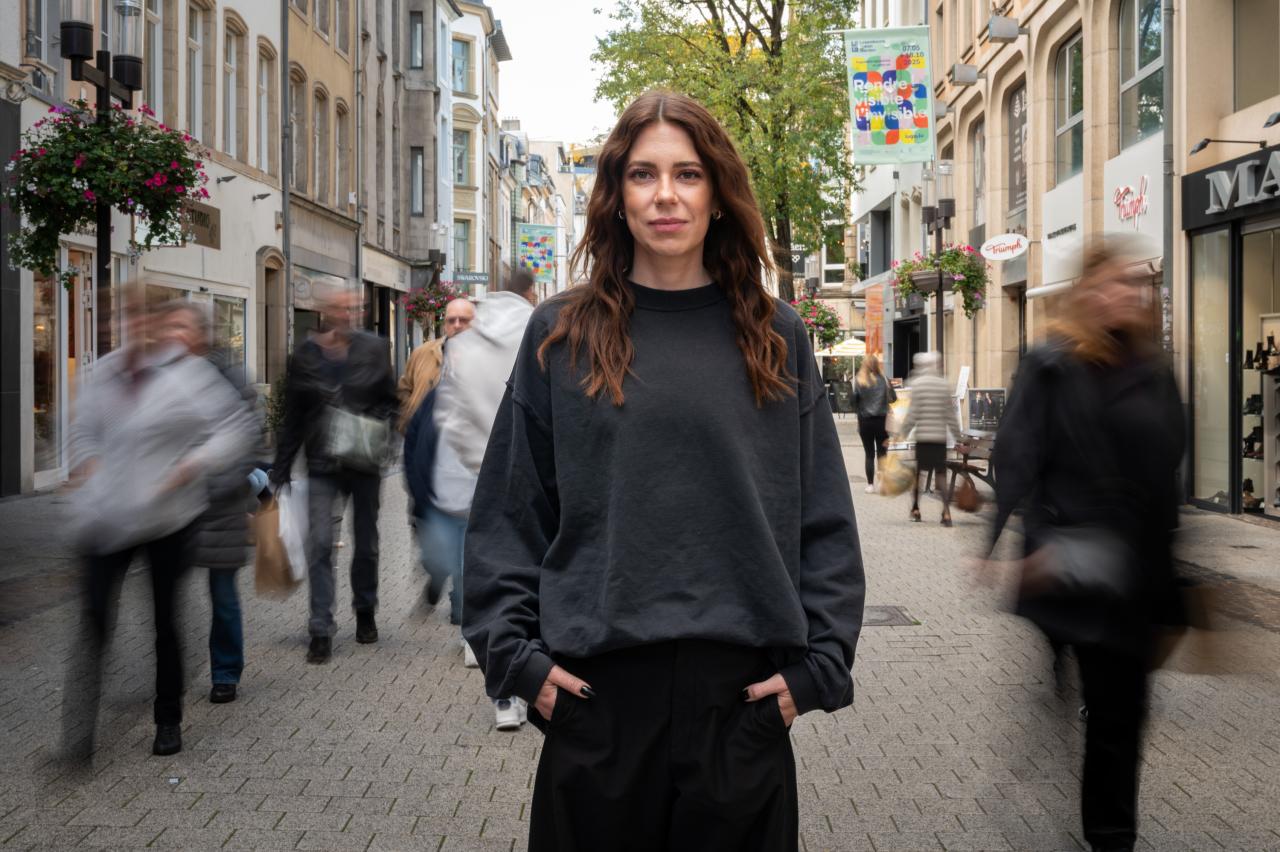
Almost ten years after the adoption of the Societal Impact Companies (SIS) law, the potential of social entrepreneurship remains largely underestimated in Luxembourg. Often confined to a separate sector of the economy, it can nevertheless contribute significantly to it, whether by training the workforce that is so sorely lacking in the labour market or by devising technological solutions. This is the point made by Catherine Wurth, a member of the management team at Co-labor, in this opinion piece.
An employee can learn French in the morning, work in the kitchen in the afternoon, and gradually regain their professional footing after several years away from the labour market. At Co-labor, this is part of everyday life.
After nearly ten years with one of Europe's largest banking groups, in 2025 I joined the management team of this Luxembourg-based social enterprise, which works to support social and professional reintegration through local food, organic farming, green spaces, and training. At first glance, these two sectors – private and social – seemed very different from each other to me. And yet, today I find in them some of the questions that challenge me most: how can we make greater use of innovation and entrepreneurial spirit to rebuild employability, produce more locally, provide sustainable training and address the social vulnerabilities that are becoming increasingly visible in our prosperous Luxembourg?
An underestimated sector
More than ten years after the adoption of the law on societal impact companies (SIS), the potential of social entrepreneurship remains largely underestimated in Luxembourg. We often continue to view the social economy as a 'separate' sector, more closely linked to social policy than to economic innovation, even though it can simultaneously generate economic, social, and environmental impact. Social enterprises are not merely social welfare schemes. They are already exploring practical solutions to some of the economic, human, and ecological challenges of our time.
"Social enterprises are already exploring practical solutions to some of the economic, social, and ecological challenges of our time."
Catherine Wurth, member of the management team at Co-labor
The model of social and professional reintegration has been in place in Luxembourg for decades: the state funds part of the social cost of support, whilst the company generates genuine economic activity. But reintegration is not simply about 'keeping busy' people who are distant from the labour market. It is about rebuilding skills, confidence, and career paths.
The current paradox is striking: many companies are desperately seeking workers, yet a section of the population remains permanently excluded from the labour market. Why not invest more in organisations whose very purpose is to rebuild career paths?
At Co-labor, we train people in particular in skilled trades such as gardening, cooking and food production, even though these sectors are currently facing severe labour shortages.
Addressing multiple challenges at once
Social enterprises are constantly seeking a balance between economic, social, and environmental impact. This hybrid approach is reflected in Co-labor’s day-to-day activities: local food processing, short supply chains, organic farming, eco-friendly maintenance, and direct sales.
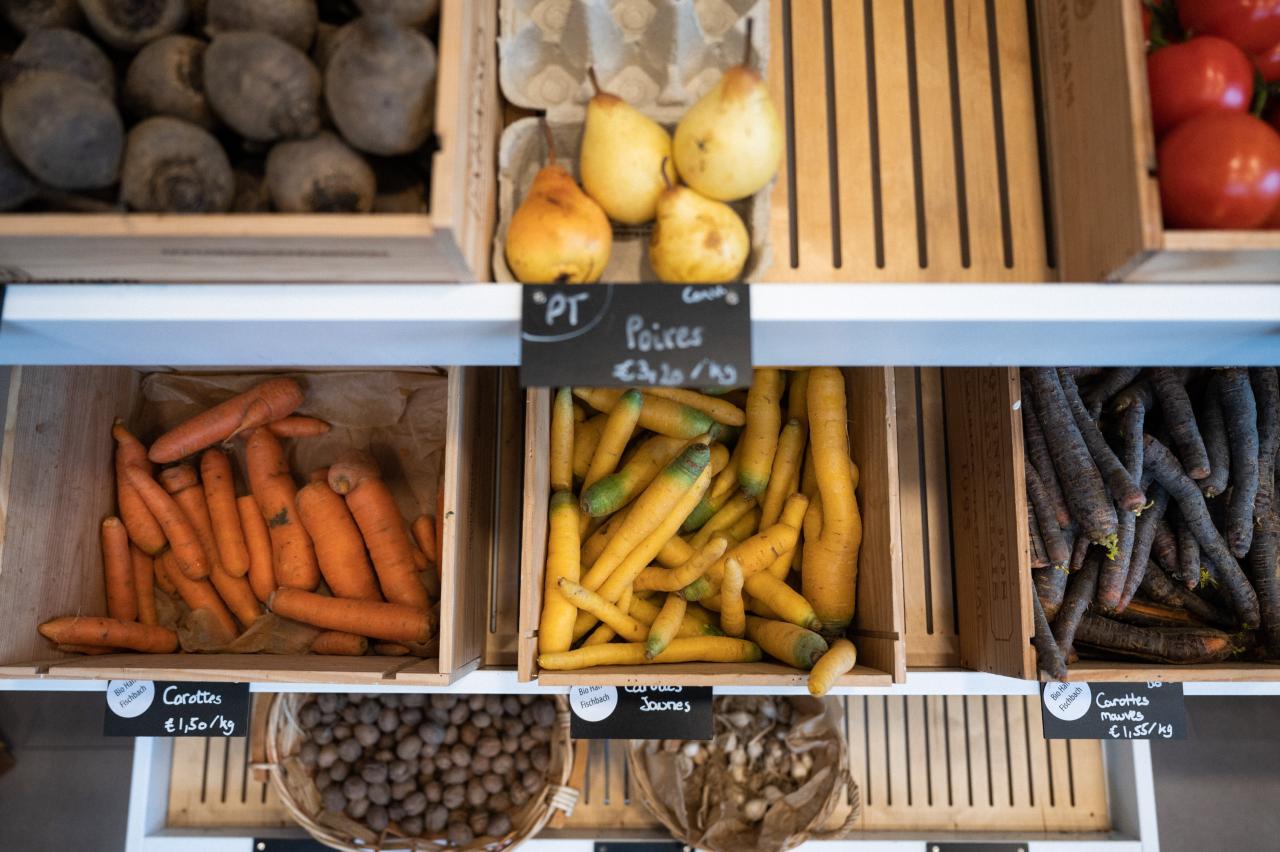
Processing fruit and vegetables grown in Luxembourg locally not only reduces certain external dependencies but also creates jobs accessible to people on reintegration programmes.
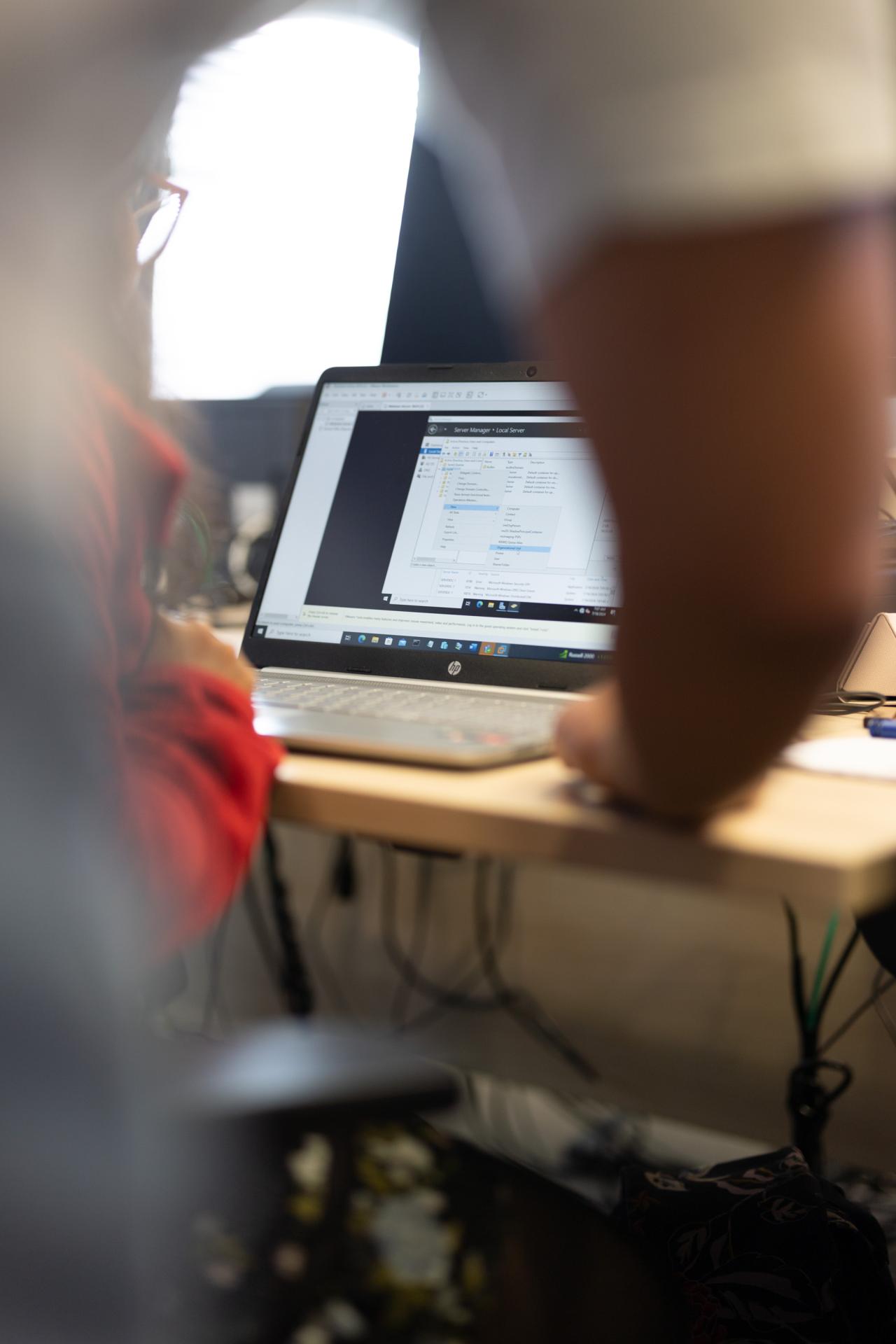
We are also investing in our social performance. Language, for example, remains a major barrier to accessing employment. As part of the National Action Plan against Poverty, we are currently trialling French lessons directly in the workplace. Learning a language in a classroom and learning it in a professional environment are two very different realities.
The pandemic, energy crises, and international tensions have served as a stark reminder of just how vulnerable our economies remain. Social enterprises demonstrate that a single activity can simultaneously address challenges relating to employment, training, food security, and social cohesion.
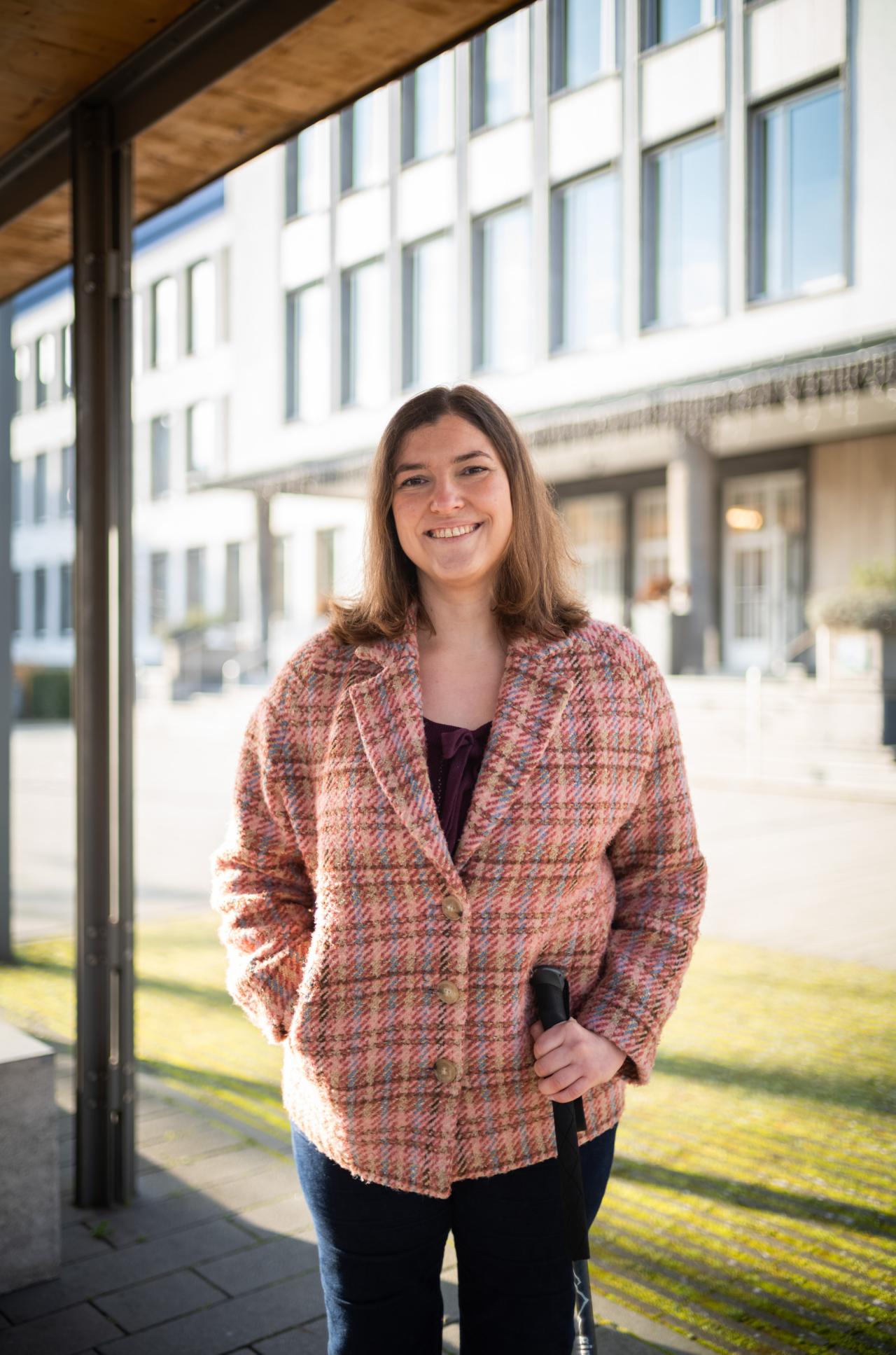
Catherine Wurth
-
Catherine Wurth has spent several years working in business management, organisational transformation, and sustainable development. Now a member of the management team at Co-labor, she supports the activities and transformation projects of this social enterprise, which is committed to helping people enter the workforce and promoting a sustainable economy. Before joining Co-labor, she headed the Sustainability department at BGL BNP Paribas. She is also involved in several charitable and philanthropic initiatives, notably with the André Losch Foundation and the Fédération des jeunes dirigeants d'entreprise.
We readily agree to invest millions in technological innovation or infrastructure. But when it comes to investing in models that rebuild employability and social cohesion, the debate immediately turns to budgetary considerations. Luxembourg could probably go further by providing greater support for social innovation and impact entrepreneurship.
Today, public support for the social sector is based mainly on resource and budgetary considerations. This approach remains, of course, essential, particularly in areas where human impact cannot always be reduced to figures. But Luxembourg could also explore mechanisms that better recognise the long-term impact created: return to work, skills acquisition, or poverty reduction.
In several European countries, social enterprises are already more integrated into economic and social policies. In France, for example, public procurement contracts include more social clauses to enable social integration enterprises to participate in public projects and create concrete employment opportunities. France and Germany have also developed genuine social innovation ecosystems through incubators, accelerators, and funds dedicated to social entrepreneurship. Organisations such as Simplon, which provides training in digital skills, and Too Good To Go, which combats food waste, demonstrate that it is possible to develop models that are innovative, useful, and economically viable.
The question, therefore, is perhaps not just how to provide more funding for social action, but how to create an environment in Luxembourg where entrepreneurs can devote their energy to solving societal problems with the same ambition and recognition as those who develop technological solutions.
Wat mengs du? (What do you think?)
-
Once a month, we give a platform to a voice – someone who is an expert in a particular field, whether through their studies, profession, or personal experience: experts on everyday life, a medical condition, a specific life situation – or simply someone with a clear opinion.
Do you have something to say? Then send us your idea for an opinion piece to journal@journal.lu.