Wat mengs du? - Turning around housing construction requires a policy shift
Switch to German for original article
Listen to this article
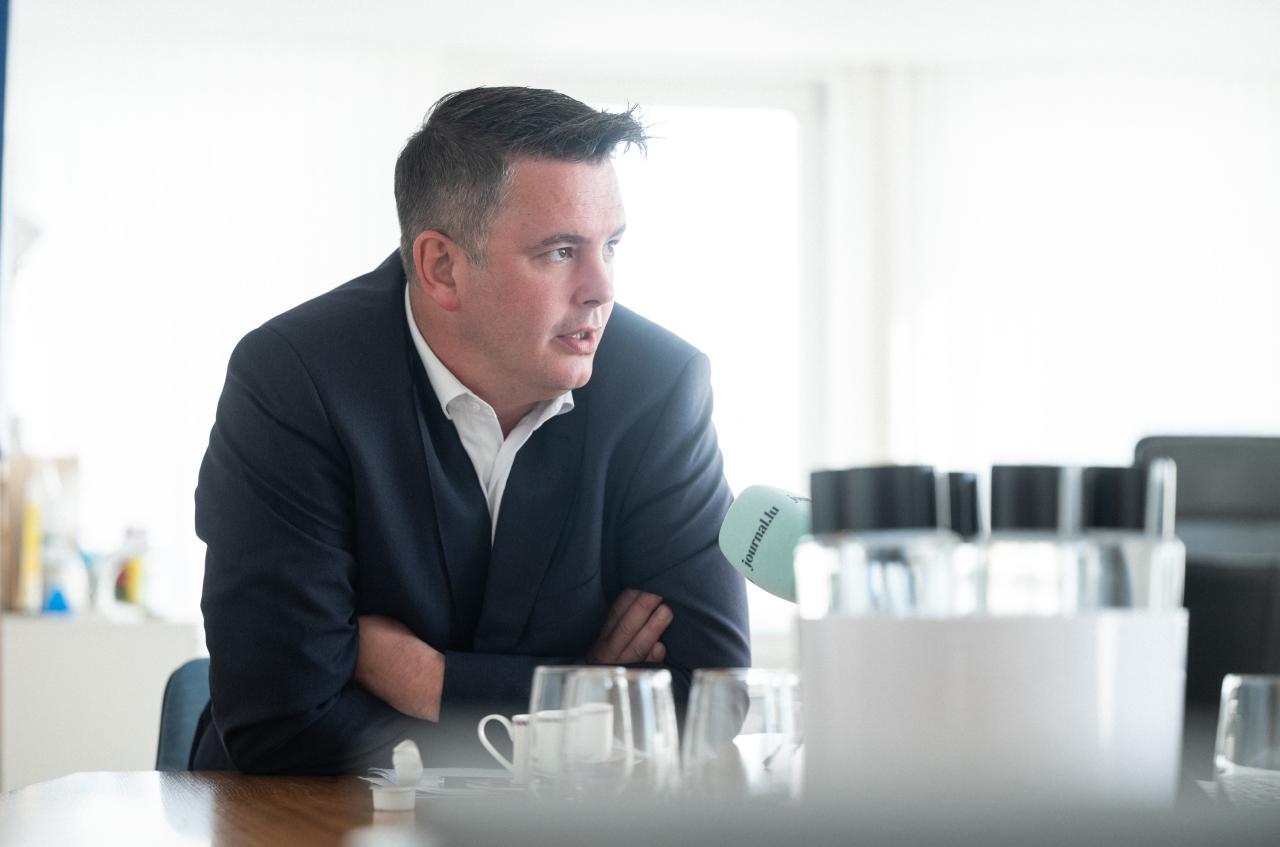
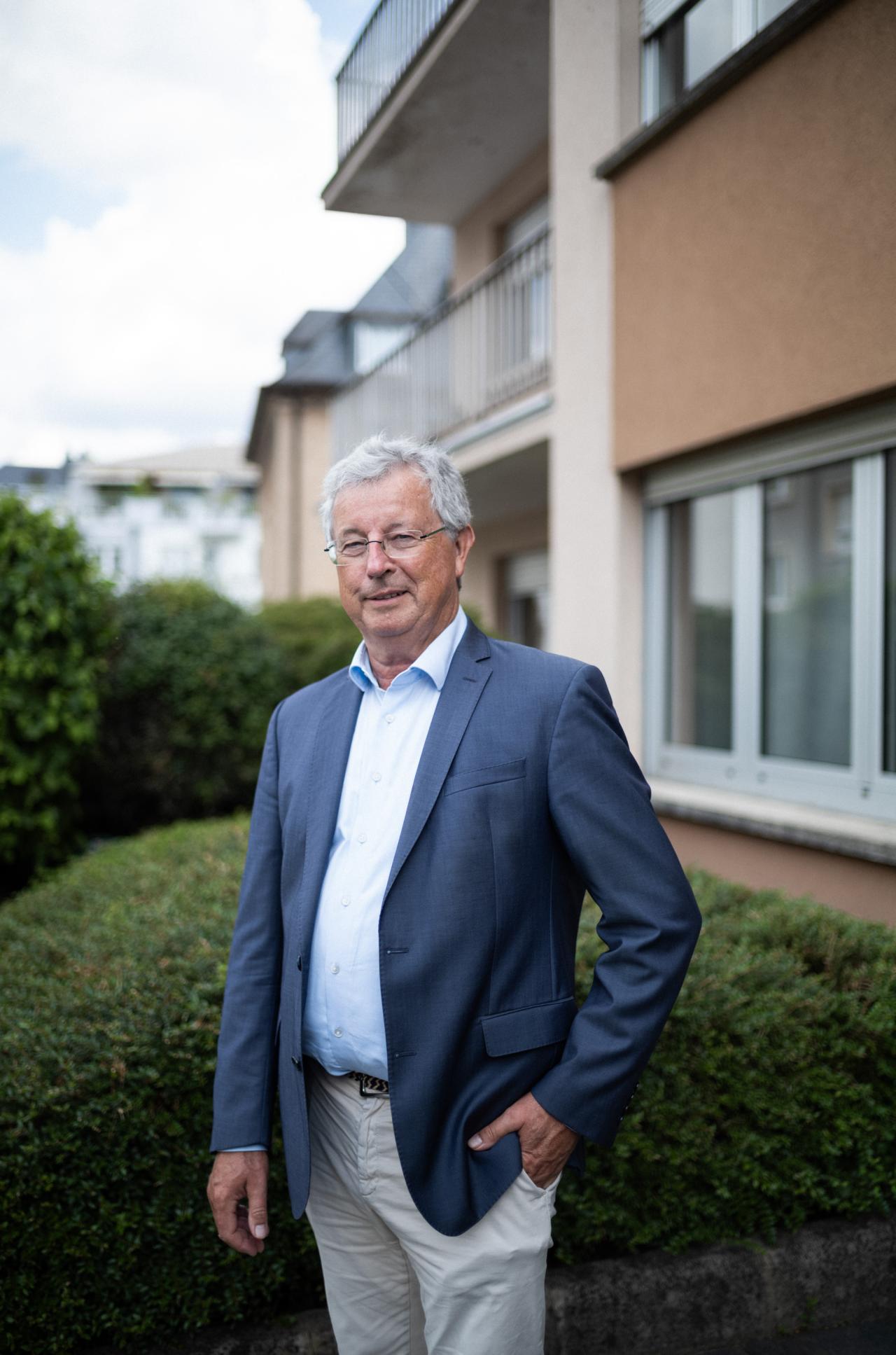
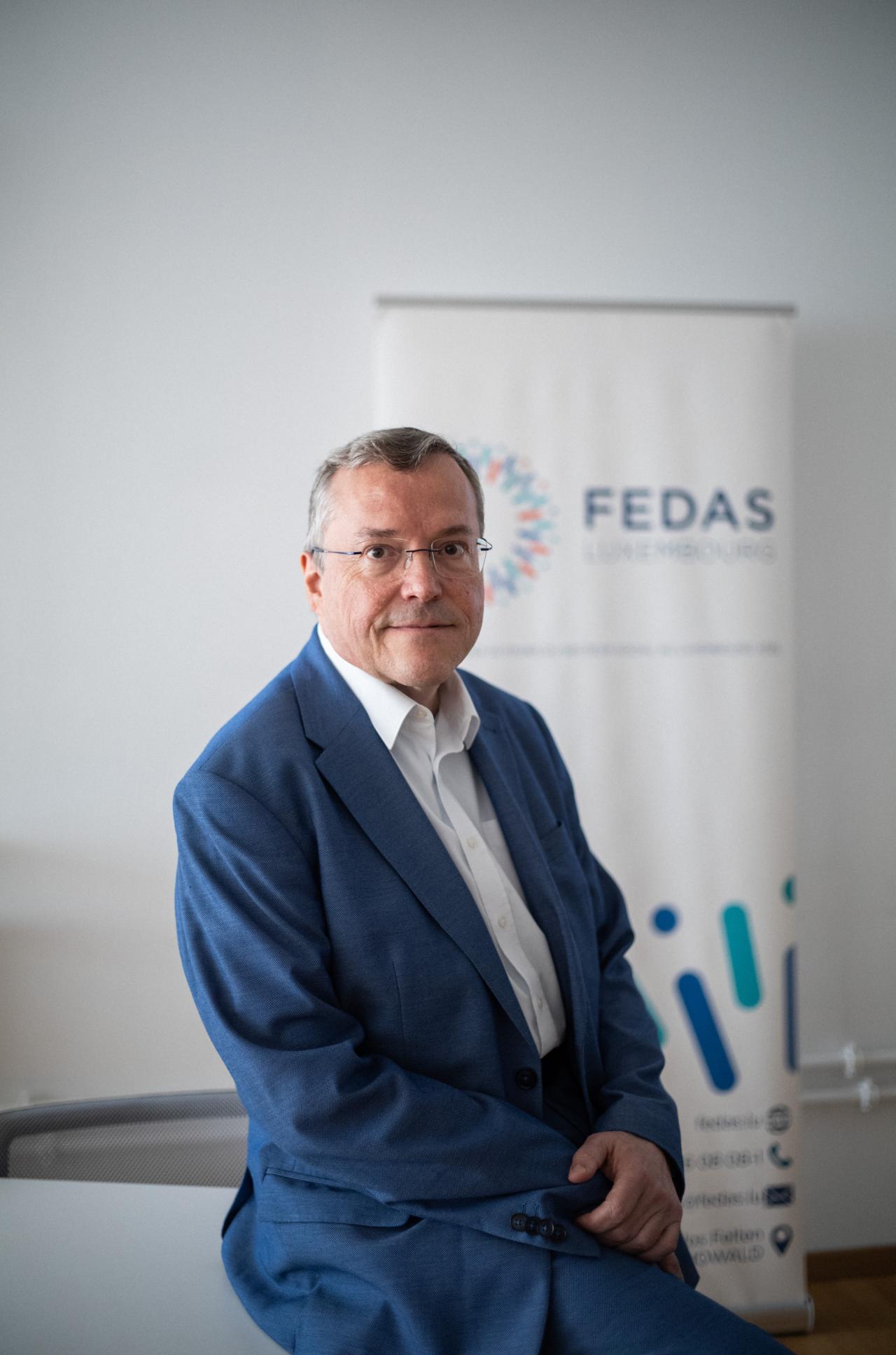
Anyone discussing Luxembourg’s future today cannot ignore the state of the housing market. It reflects a range of structural problems that go well beyond the real estate sector. A Carte Blanche by building contractor Gérard Thein, President of the Fédération des Jeunes Dirigeants and board member of the Fédération des Entreprises de Construction et de Génie Civil.
When asked about the biggest political challenges facing the EU, 56 per cent of the Luxembourgers surveyed in the last Eurobarometer (autumn 25) named housing as the country's biggest challenge, followed by 26 per cent for the Russian war of aggression on Ukraine and 24 per cent for migration. The key issue of housing is well above the EU average of 13 per cent and no other issue is perceived as so urgent in Luxembourg.
Over the past three years, residential construction in Luxembourg has hardly been characterised by positive news. Although current data shows a slight upturn in building permits and project applications, this development is nowhere near enough to remedy the massive housing shortage. The country currently needs 6,000 new homes per year to meet the growing demand. By 2025, we will be at 500 completions. The Luxembourg market experienced exceptional growth between 2010 and 2022. This spectacular increase is mainly due to a structural imbalance between supply and demand, favoured by strong demographic and economic growth.
Housing prices remain high, while construction activity remains at historically low levels. The construction crisis in Luxembourg has existed since the end of 2022 and experts have repeatedly pointed out the need to take countermeasures.
The current government has tried to do this since the elections at the end of 2023, but unfortunately the situation remains very poor. Measures such as simplified approval procedures, tax incentives for investors and adjustments to housing subsidies are intended to provide new impetus. The state itself is also increasingly acting as a builder in order to create more affordable housing. Nevertheless, housing construction is only making slow progress.
Gérard Thein
-
Gérard Thein is Managing Director of the construction company Bonaria Frères from Esch-sur-Alzette and, in addition to his entrepreneurial activities, is committed to the economic and social life of the region.
As a member of the board of the Fédération des Entreprises de Construction et de Génie Civil and the Esch Business Association (ACAIE), he is committed to the interests of businesses in Esch.
He is also currently President of the Fédération des Jeunes Dirigeants d'Entreprise du Luxembourg (FJD) and is co-organiser of the Luxembourg Beach Open (LBO), which takes place every summer on the Escher Galgenberg.
Experts assume that the number of newly completed flats will continue to fall well short of actual demand in the coming years. In and around Luxembourg City in particular, the shortage is getting worse – with rising rents and growing pressure on middle and low-income households.
The housing market is increasingly becoming a social issue. Rising rents and scarce housing are not only affecting low-income households, but increasingly also the middle class. When even well-educated professionals find it difficult to find suitable housing, the risk of social division increases. The pay gap between public and private employees for the same work is also widening.
A particularly visible sign of the tense situation is the increasing migration of Luxembourgers to neighbouring countries because home ownership or even rental accommodation in their own country has become unaffordable. More and more Portuguese are returning to their home country.
"Without a clear long-term vision, policymaking risks devolving into pure crisis management. The result is reacting to bottlenecks instead of planning ahead."
Gérard Thein
The economic consequences of this development are now clearly noticeable. More and more companies are thinking aloud about relocating some or all of their activities abroad because growth is hardly possible in Luxembourg. Not for lack of orders, but because there is an increasing lack of affordable housing for employees. If companies can no longer accommodate their employees here, they will inevitably become less attractive. In the long term, fewer companies also mean fewer jobs and therefore lower tax revenues for the state.
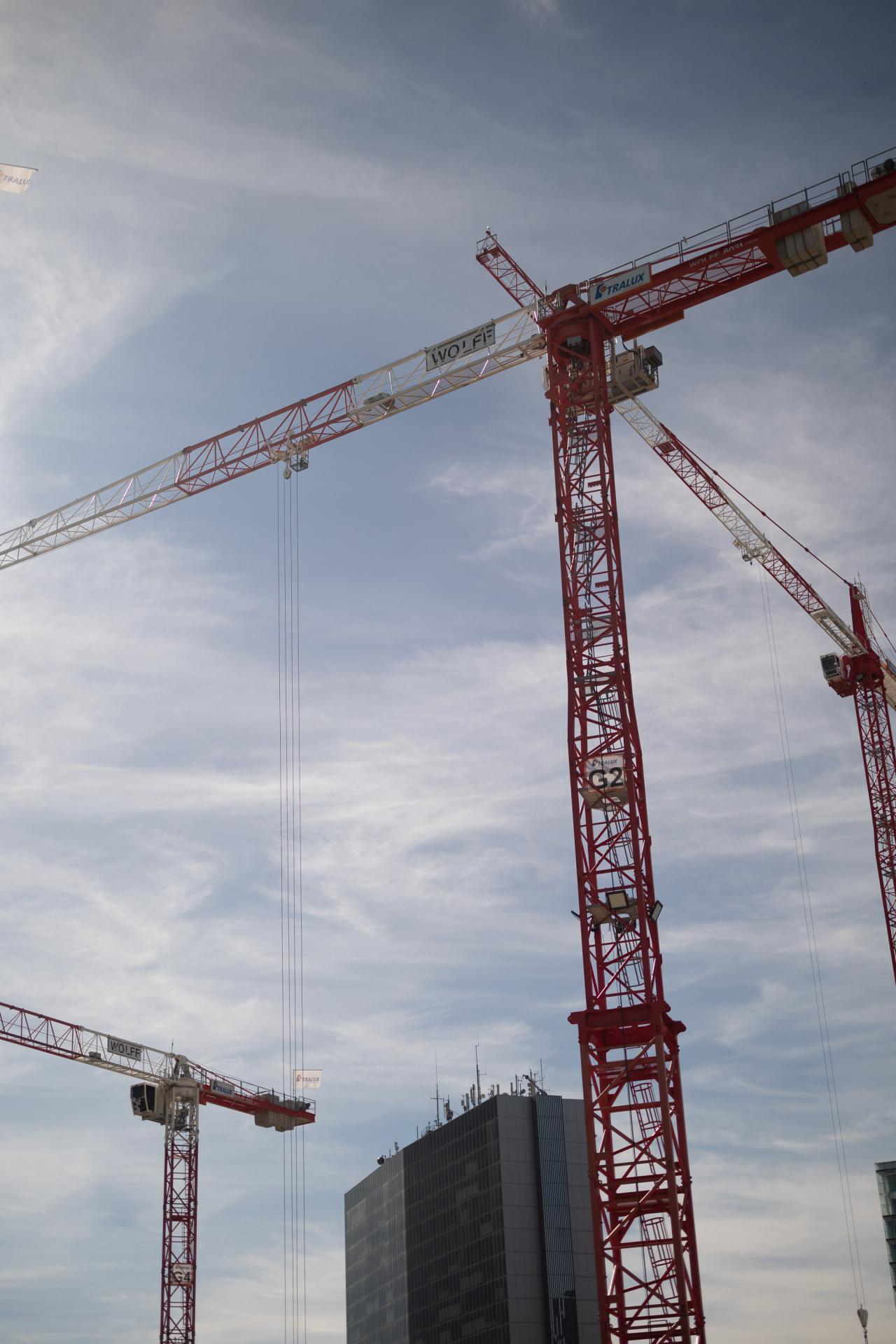
The pressure to act is also increasing due to staff shortages in the construction sector. Last year alone, the construction industry lost almost 5,000 jobs, i.e. almost ten per cent of the nearly 50,000 employees in the construction sector. This means that Luxembourg is not only losing urgently needed labour, but also know-how, training capacity and productivity. In addition, a third of qualified specialists will be leaving the labour market in the next five to ten years due to age, which will be a significant demographic challenge. Without a sufficient workforce, however, it will not be possible to build new homes or modernise existing infrastructure.
The issue of housing has not only a quantitative but also a qualitative dimension. It is not just a question of how many flats are built, but also what type of housing is created. Flat sizes, floor plans, forms of utilisation and the permitted building height play a central role in this. In many places, rigid specifications and restrictive building regulations limit the ability to respond flexibly to different needs – whether for smaller households, multi-generational models or new forms of living.
Wat mengs du?
-
Once a month, we give space to a voice – someone who is an expert in a field, through their studies, profession or personal experience: experts in everyday life, an illness, a particular life situation – or simply a clear opinion.
Do you have something to say? -Send us your idea for an opinion piece to journal@journal.lu.
In addition, the renovation and conversion of existing buildings is also proving increasingly difficult. On the one hand, the building law and technical requirements of many municipalities are high and often complex, which makes conversion projects time-consuming and cost-intensive. On the other hand, the purchase prices for existing properties are often at a level that is hardly economically viable – even if extensive investment in energy-efficient refurbishment or structural adjustments is necessary. This blocks enormous potential in existing properties, even though this would be an important lever for more living space.
In the end, the fundamental question inevitably arises: What vision does Luxembourg have for itself – in the year 2050, perhaps even 2100? Does the country want to continue to grow, economically, demographically and spatially? Or should growth be limited, controlled and redefined in terms of quality in the future? These questions are rarely asked openly, even though they will determine the future of the country.
After all, housing, infrastructure, mobility, energy supply and the labour market cannot be considered in isolation. They are the expression of a fundamental social decision: What kind of country does Luxembourg want to be? An international business centre with high added value and immigration? A high-priced residential location with limited access? Or a socially balanced country that combines economic dynamism with quality of life?
Against this backdrop, a clear political change of course is needed. This must go beyond selective measures and be designed to address cross-party issues in the long term.
Without a clear long-term vision, policymaking risks devolving into pure crisis management. The result is reacting to bottlenecks instead of planning ahead. The housing issue is a good example of this: for years, too little was built, too little was planned and too little was invested, with the result that today entire population groups can no longer find a place in the system.
A sustainable perspective requires the courage to make uncomfortable decisions. It requires an honest debate about how much growth is acceptable, where densification should take place, how mobility should be organised and what role the state should play in the provision of housing. Above all, however, there needs to be a social consensus that housing should not be a luxury good, but a key prerequisite for social cohesion and economic stability.
One thing is certain: If we do not succeed in significantly boosting housing construction, social tensions threaten to worsen. Access to affordable housing remains one of the key challenges for Luxembourg's future.