Wat mengs du? - Inclusion costs less money than exclusion
Switch to French for original article
Listen to this article
A prosthesis. Physiotherapy sessions. The right to go to school. These are all gains that cuts to international aid budgets are calling into question. Martin Lagneau, Director of Handicap International Luxembourg, explains why this concerns all of us.
One of Handicap International's main missions is the inclusion of everyone in society, whatever our differences. Today, I'm sharing a difficult observation with you.
Inclusion is the idea that everyone should be able to participate in society on an equal footing with others, by valuing diversity and guaranteeing equal rights and opportunities. For a long time, we have considered that giving everyone the same rights and the same opportunities was a shared objective, enshrined in development policies and driven by the collective ambition to leave no one behind. This is an important value for us as a society, and one that we are committed to applying in the countries in which Handicap International operates. Unfortunately, the very need for inclusion is now being called into question.
For several months now, I have been observing a worrying change in direction, as have many people working in the humanitarian sector. Rejectionist rhetoric is becoming commonplace, identitarian divisions are growing more pronounced and political priorities are changing. Inclusion, which used to be central, is gradually being relegated to second place, even contested or even outlawed.
"People with disabilities are among the first to be affected by cuts in public aids for development."
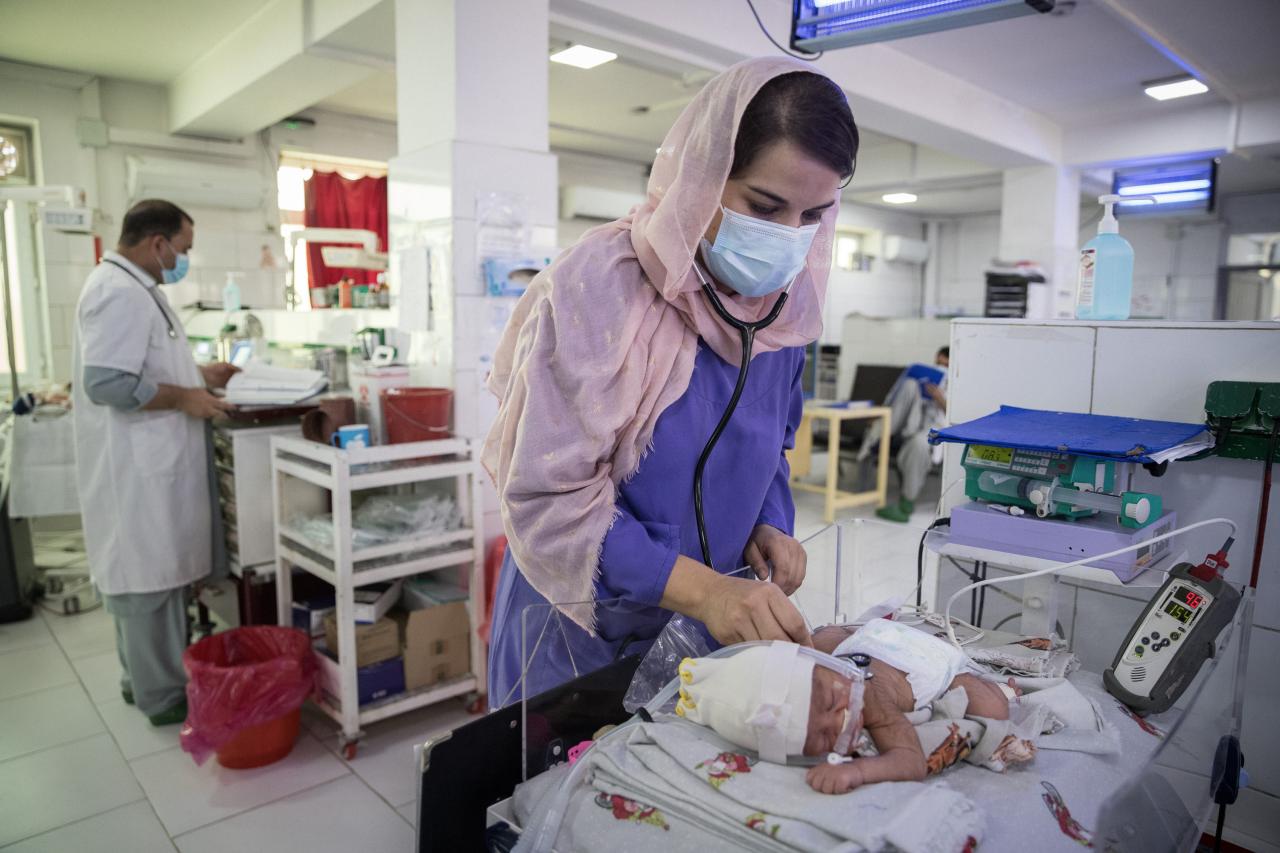
This ideological shift is reflected in concrete terms on the ground: people with disabilities are among the first to be affected by cuts in official development assistance public aids for development. Today, around 1.3 billion people in the world live with a disability, mostly in low- and middle-income countries. One person in six is affected, the largest minority in the world.
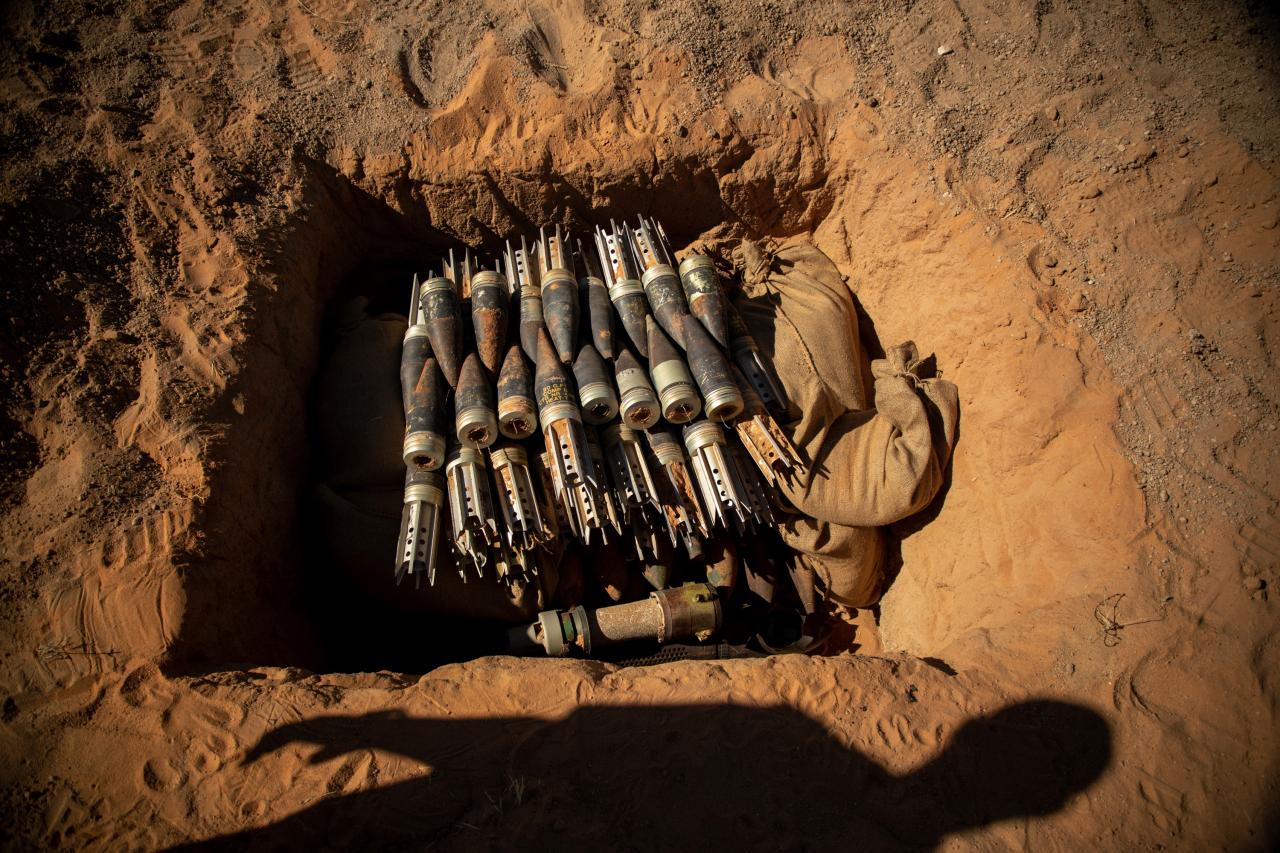
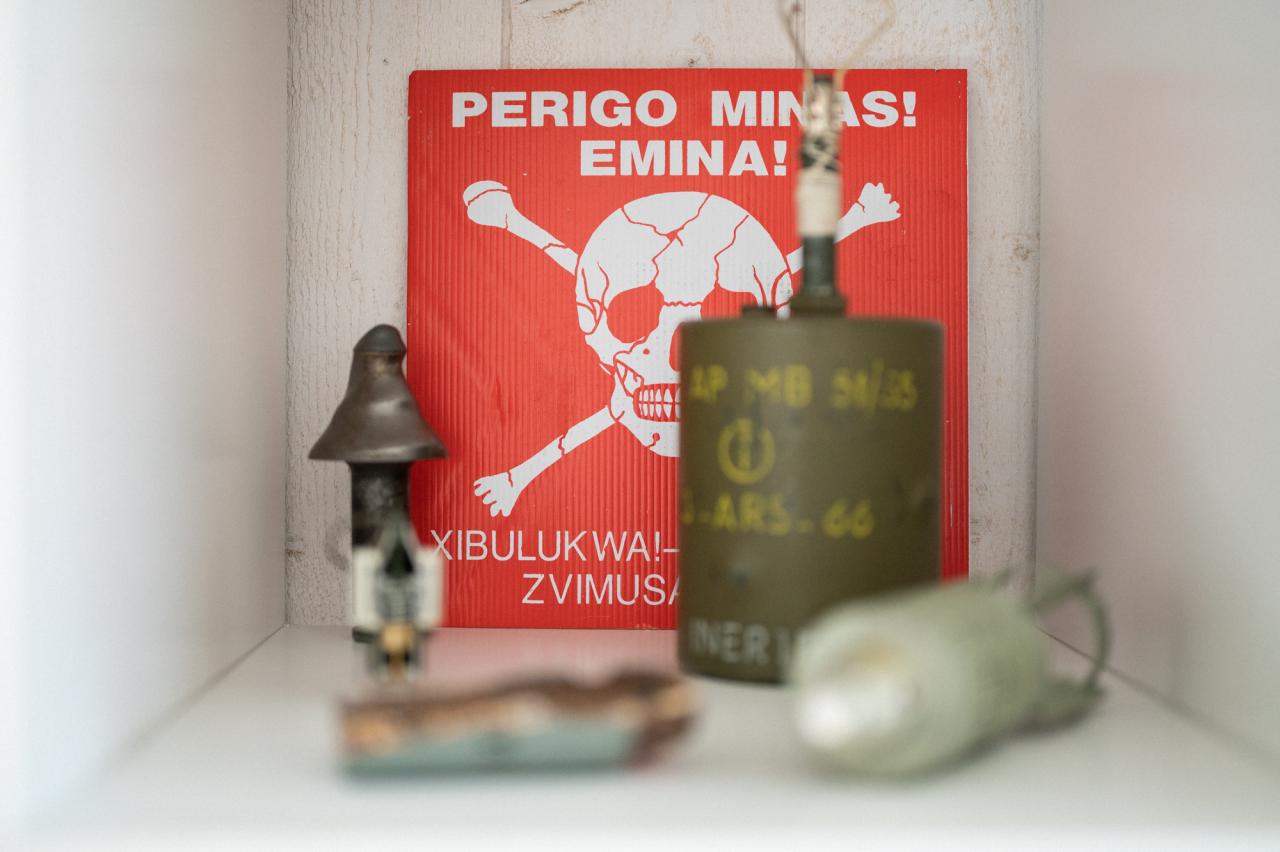
Inclusive education, health, and rehabilitation programmes are being undermined and sometimes interrupted. What may seem like a budgetary trade-off becomes, in reality, a loss of access to essential rights. Let me illustrate this notion with some concrete examples: Fayaz is 6 years old. He lives in Srinagar in India. Following the explosion of an explosive remnant of war when he was 3, both his legs were amputated. We have provided him with prostheses and are giving him rehabilitation sessions so that he can learn to walk again and return to school.
About the author
-
Martin Lagneau has been involved with Handicap International since 1997, working in the historic fight to ban anti-personnel mines. He quickly became involved with the victims of these weapons in war-torn countries such as Iraq and Afghanistan. He headed Handicap International in Luxembourg from 2007 to 2020 and again from 2024.
With 25 years' experience in the field of international development cooperation and humanitarian action, he brings a knowledge and vision rooted in his experience in the field to bear on Handicap International's struggles and values.
Marwa is a 10-year-old girl living in Afghanistan. She lost seven family members and her left leg when a rocket exploded in her home. Still growing, and despite the prosthesis she has been fitted with, Marwa finds it difficult to carry out her daily activities and suffers from pain. She needs ongoing support and physiotherapy from us. Despite this, Marwa continues to go to school and do her homework. Her determination to learn and progress remains unshakeable. I could give you dozens of similar examples. The benefits and richness of inclusion should no longer need to be proven. Yet the reality is that when resources dwindle, it is the most vulnerable who are left behind.
Inclusion is a fundamental human duty and the foundation of fair and sustainable development. It requires education, health and economic systems that are accessible to all. It is a vision of society that is at stake: do we accept a world where rights are relative and the most vulnerable are sidelined, or do we choose solidarity and justice? This choice, to which we are collectively committed, seems obvious to me.
From Luxembourg, these issues concern us directly. Our country plays a recognised role in international solidarity. This commitment is invaluable, and although our government is staying the course so far, we must remain vigilant: our international cooperation and humanitarian assistance policies must remain inclusive and benefit the most marginalised people.
Inclusion can never be taken for granted. It depends on political choices, financial resources and a collective will. Reducing funding means risking wiping out years of progress. Conversely, prioritising inclusion means asserting that sustainable development only makes sense if it benefits everyone.
Wat mengs du?
-
Once a month, we give space to a voice - someone who is an expert in a field, through their studies, profession or personal experience: experts in everyday life, an illness, a particular life situation - or simply a strong opinion.
Do you have something to say? Then send us your idea for an opinion piece to journal@journal.lu.