Wat mengs du? - The foundations of a healthy life
Switch to German for original article
Listen to this article
Despite the many advances in medicine and psychiatry, one fundamental question often remains unanswered: how does health actually come about? In his day-to-day work as a psychiatrist, Dr Liron Pepshi has observed that we devote far more attention to explaining illness than to understanding how people can stay healthy and resilient over the long term. A carte blanche.
When I moved from Kosovo to Germany to begin my training in psychiatry and psychotherapy, I was full of questions — though not about how illness develops. My interest lay in understanding the emergence of mental illness: its causes, the mechanisms behind it, and how symptoms can be explained and treated. Pathogenesis — the study of how disease develops — therefore became the natural starting point for my thinking.
Influenced by classical German-speaking psychiatry and psychology, from Freud to Jung to Jaspers, I wanted to understand what makes people ill. I had the privilege of not only studying specialised literature in the original, but also learning from experienced psychiatrists in various clinics. Illness took centre stage. Health was usually only what remained when symptoms disappeared.
"Health is not a stable state that you achieve once and then keep. It is a dynamic process."
Dr Liron Pepshi, Psychiatrist
A late change of perspective
It was only years later that I came across another question: How does health develop? I found the answer in the concept of salutogenesis, developed by medical sociologist Aaron Antonovsky. However, it became really tangible through a medical speaker and later my coach. He was over seventy years old, suffering from cancer and yet full of energy, clarity and joie de vivre. His attitude quietly but lastingly challenged my previous thinking.
It is astonishing how marginalised salutogenesis has remained to this day. Neither in medical studies nor in everyday clinical practice does it occupy a central place. This is true regardless of whether you start out in a post-war society such as Kosovo, study classical psychiatry in Germany, gain clinical experience in Luxembourg or even discuss mental health in the lecture theatres of renowned universities such as Harvard without actually living it. At the same time, the number of mental illnesses is rising continuously across Europe. Perhaps this is no coincidence.



Health is not a stable state that you achieve once and then keep. It is a dynamic process. We all constantly move between stress and stability. Stressors are part of everyday life, internal ones such as deficiencies or infections, external ones such as pressure to perform, conflicts or banal disruptions to daily life.
Antonovsky showed that it is not the stress itself that is decisive, but how people categorise and cope with it. His model is based on three elements: Comprehensibility, manageability and meaningfulness. Understandability means being able to categorise events and gain emotional distance.
Manageability describes the confidence to have sufficient resources, to utilise one's own abilities, social support and helpful experiences. Finally, meaningfulness is the central element. It gives meaning to what is experienced and creates motivation to actively shape even difficult situations.
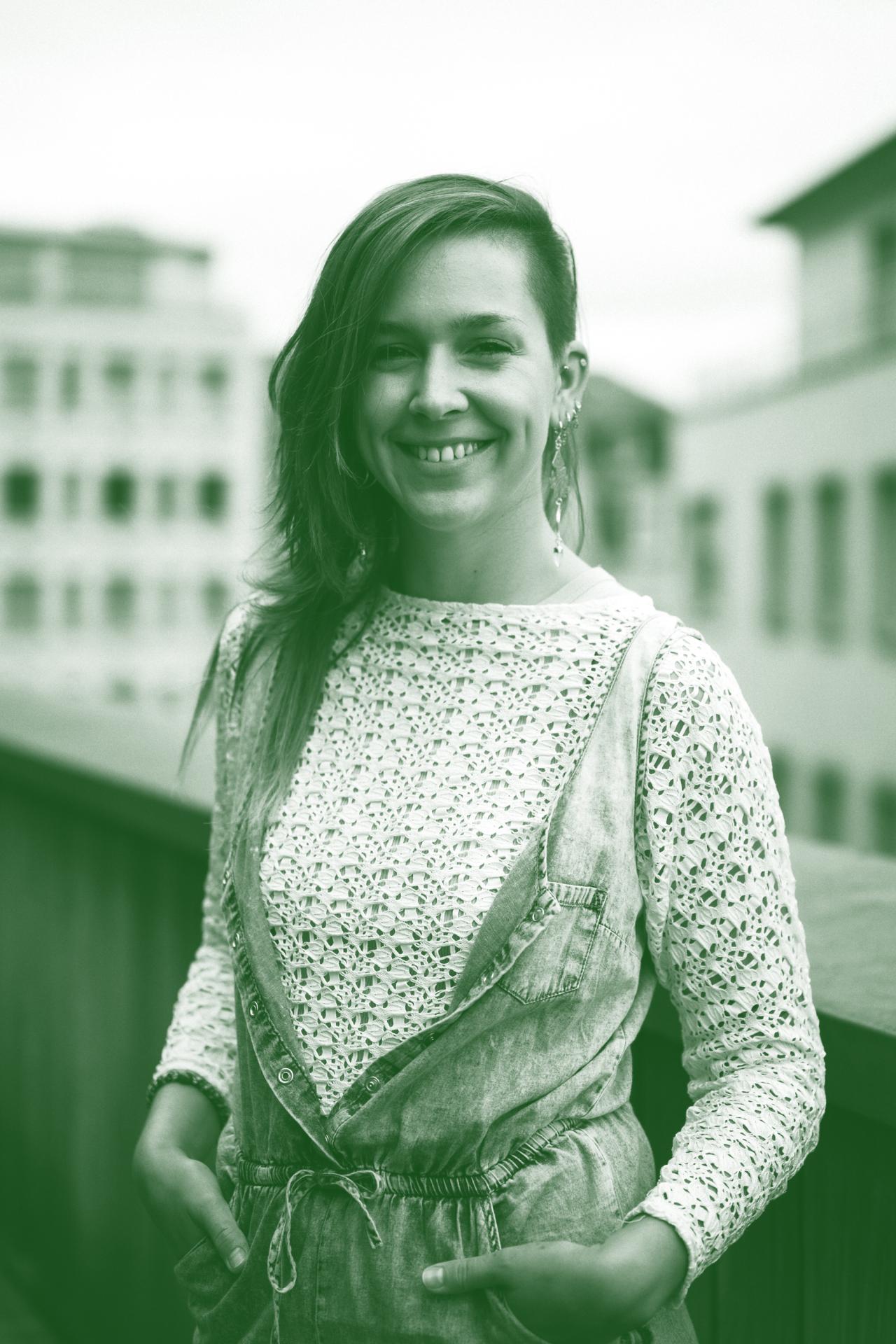
Dr Liron Pepshi
-
Dr Liron Pepshi is a specialist in psychiatry and psychotherapy with many years of therapeutic and organisational experience in Germany and Luxembourg.
He is the coordinator of the addiction department at the Centre Hospitalier Neuro-Psychiatrique (CHNP) and is also committed to strengthening mental health, resilience and individual resources in society.
His approach is characterised by a salutogenetic view of health that focuses not only on illness, but also on orientation, meaning and stability in everyday life.
More than resilience
Resilience is often emphasised. But resilience alone is often not enough. It helps to withstand stress. Salutogenesis, on the other hand, helps to stay healthy in the long term. It changes the way we look at life, away from mere endurance and towards orientation, meaning and inner participation.
For me personally, this change of perspective has not only changed my work as a doctor in Germany and Luxembourg, but also my work in a managerial role. Salutogenesis is not a tool that you simply apply. It is a learning process that requires time, patience and conscious practice.
Mindfulness, social support, self-reflection, writing, healthy habits and relaxation can promote this process. However, something more fundamental is crucial: creating a calm and safe atmosphere, for yourself and for others. Only then is it possible to recognise resources, change perspectives and find meaning.
Perhaps it is worth turning our gaze around: not only in our everyday personal lives, but also in the healthcare system, by finally asking ourselves not only why people fall ill, but also what keeps them strong, resilient and alive.
Wat mengs du ?
-
Once a month, we give space to a voice – someone who is an expert in a field, through their studies, profession or personal experience: experts in everyday life, an illness, a particular life situation – or simply a clear opinion.
Do you have something to say? Send us your idea for an opinion piece to journal@journal.lu.