Humanising also means exposing ourselves
By Camille Frati, Lex Kleren Switch to French for original article
Listen to this article
At Journal, we are careful to highlight people and their lived experiences. It's a point of view that comes into its own in court cases, whether it be an administrative dispute or a fatal road accident. This choice to focus on the human dimension is not, however, self-evident, as Camille Frati explains.
This article is available to you free of charge. If you want to support our team and quality journalism, subscribe now.
Our world is not a cold, blind matrix in which we are merely insignificant pawns, even if some leaders see it that way. Every rule has an effect on an organisation, on a system, but also on the human beings within it. That's why it's important for me to show the faces behind a legal decision. I had the opportunity to do so again this year when I told you the story of Michael (name changed by the editors), a child placed in foster care who had his child benefit withdrawn by the Caisse pour l'avenir des enfants because his parents were cross-border workers. Or Virginie*, a mother of three, who was refused parental leave after receiving poor advice. And Matilda*, a little girl born with a number of serious malformations but denied extra special allowance on the basis of a cursory medical opinion.
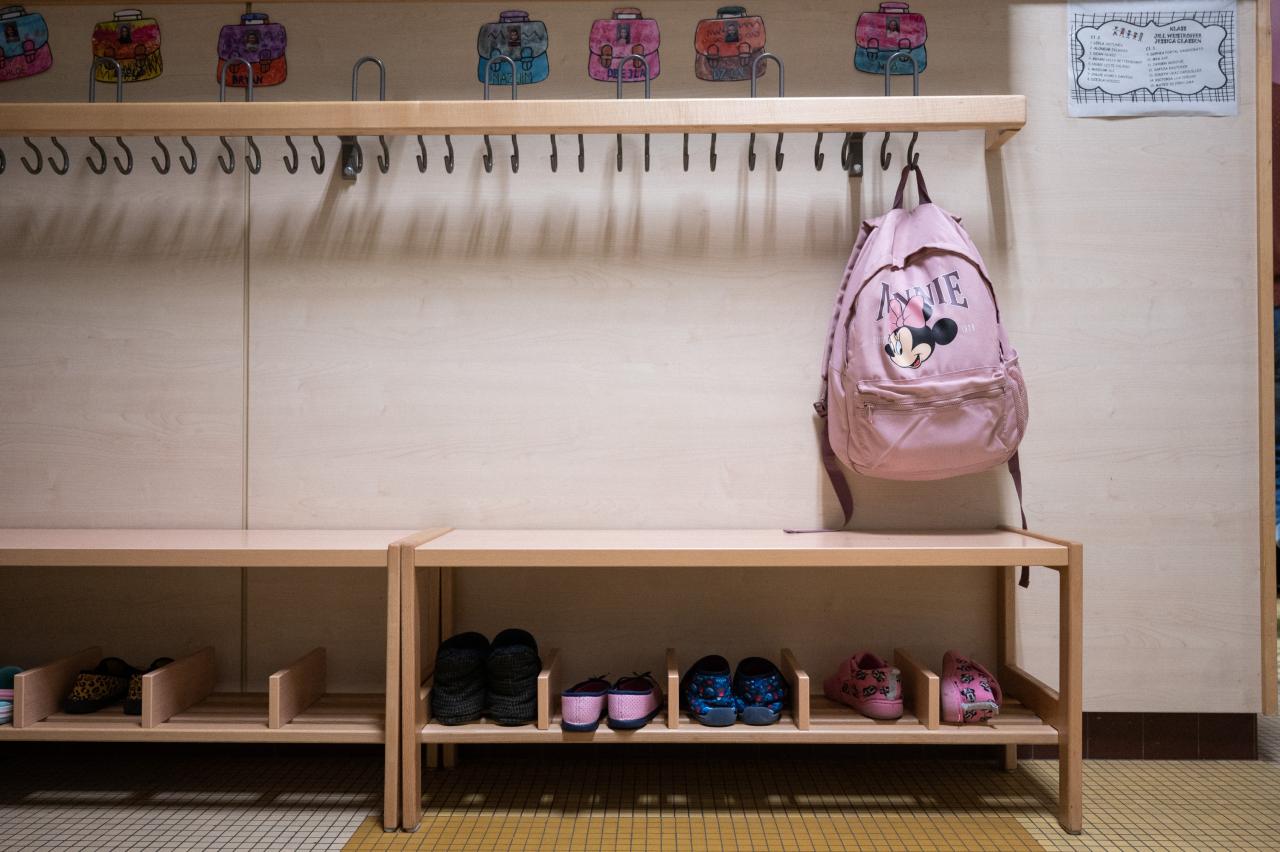
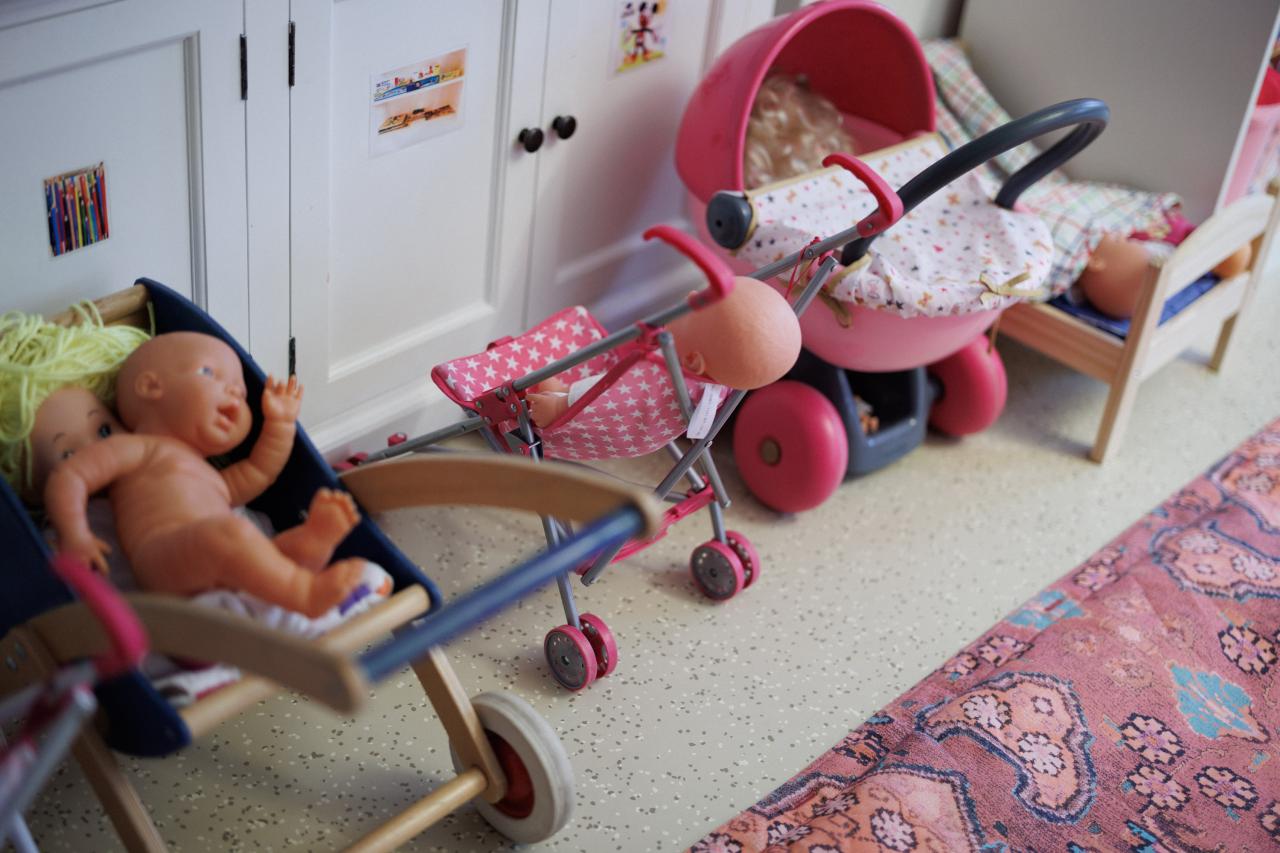
All of them took their case to court, and went through lengthy and restrictive procedures. Finding a lawyer, compiling relevant information, wondering whether the courts will rule in your favour, waiting. A court case takes time and is always in the back of your mind – and in your wallet, too. For some, it's a matter of defending a right as a matter of principle. For others, a court decision can change everything. Deprived of parental leave, Virginie had to go back to work and rethink the whole family organisation, finding stopgap solutions to look after her baby and her other children. She is deeply bitter about this and feels a burning sense of injustice.
Even those who win their case in court have not won everything: Matilda's parents have used up their annual leave for her medical appointments and will never be able to get them back. Not to mention the uncertainty, the worry about the future and the feeling of being looked down on.
"Interviewing a victim, humanising a struggle, also means exposing oneself. You don't come out of it unscathed."
I was particularly affected by my meeting with the family of Chloé, a young woman from the French Meuse region who was mown down by a hit-and-run driver under the influence of alcohol and drugs one evening in November 2021. My idea was to use this example to question the fairness of the sentences handed down – Luxembourg is more lenient than its European counterparts. Interviewing victims or their loved ones is a delicate exercise. Even though years have passed, the pain of Chloé's mother, brother and sister-in-law remains immense. Interviewing them means making them relive cruel moments, the announcement of the sad news on a Sunday morning by a gendarme, the discovery of the atrocious circumstances of the accident, the distress of not knowing where the body of the young woman is, if they will be able to see her before the funeral, the weeks spent without information on the Luxembourg procedure, the trials without translation into French, the insincere excuses of the driver, the lighter sentences than those provided for by the law.
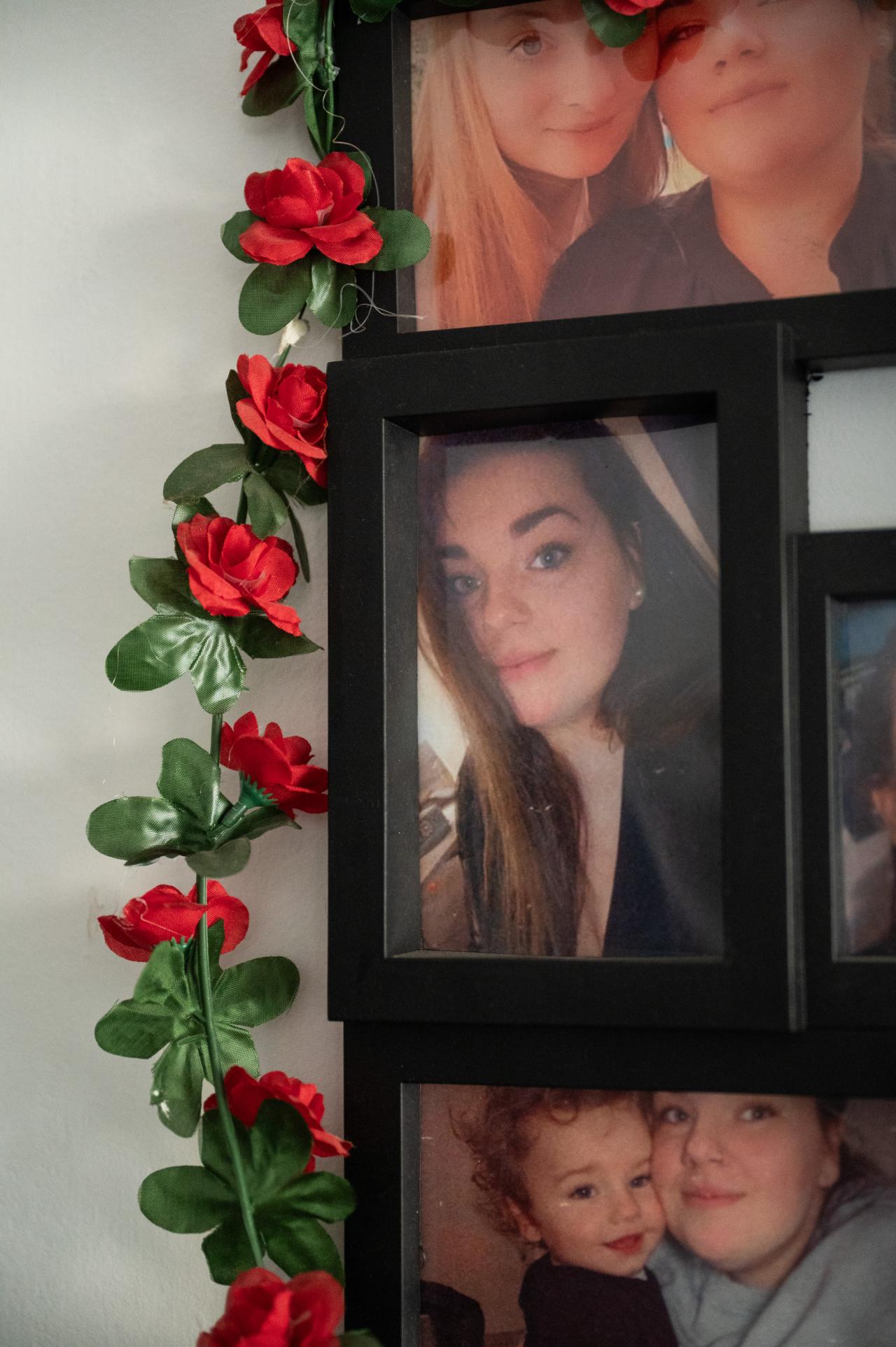
And yet, this family opened its door and its memories to me. Her mother confided in me in front of Chloé's grave, which she keeps decorated and tended every day. For her, who lost her husband a few years ago, life goes on in heavy sorrow, even if her grandchildren bring her joy. This family has transformed her grief into strength and determination. They are fighting for Chloé, to ensure that the man who took her life receives a sentence that reflects the seriousness of his actions – three people dead, including Chloé's cousin, and aggravating circumstances. She appealed against the first judgement, which handed down only a suspended sentence, against the advice of her lawyer, who felt that she had obtained sufficient compensation. She has now lodged an appeal in cassation, convinced that one-year custodial sentence handed down on appeal remains inadequate.
Their story stayed with me for a while, haunting me during the day or in the evening, on the road or with my family. I've always been interested in court cases, but I understood very early on how draining they could be. I had a hard time with the first criminal trial I followed in France – the sad story of a woman killed by her lover's desperate wife. Journalists who are used to reporting 'news', as they are called, have built up a shell and treat these cases with detachment, becoming machines for describing court hearings. That's not what I wanted to become. For me, taking a testimony that is so painful and violent for the person entrusting it to me requires respect and empathy. Interviewing a victim, humanising a struggle, also means exposing oneself. You don't come out of it unscathed.
From testimony to analysis
And putting this kind of testimony down on paper isn't easy, either. You have to sort out what you can write, what you should leave to the person's intimacy, respect their experiences and feelings, and not throw away their confidences. It's also difficult to move from this deeply moving testimony to analysis. When I asked the other people I spoke to about the fairness of the sentences handed down in Luxembourg for road crime, I understood the violence of certain comments for the victims and their families. At the same time, I understood that the debate needed to be opened up to other points of view, in particular that of Carine Nickels, Chair of the Board of Directors of the National Association of Road Accident Victims, herself the victim of an accident 13 years ago. She too spoke about how her life was turned upside down and what she thinks, with hindsight, about the sentences handed down in road accidents.
In the end, while it's easy to transcribe a tearful testimony on the one hand or to present a cold analysis on the other, it's much trickier to reconcile a testimony that you respect with more analytical questioning on the same subject. This is what I try to do in my articles, which show the human side behind a law, a road accident or a letter of refusal from an administration. Informing while keeping the human element in mind is also the leitmotiv and strength of the Journal since its digital and editorial transformation five years ago.