Wat mengs du? – So that our children may still recognise the country we love
Switch to French for original article
Listen to this article
The heatwaves that have characterised this spring and summer in Luxembourg serve as a reminder of a reality that has become hard to ignore: climate change is no longer a distant concern. It is now affecting our health, our daily lives and the places we hold dear. This is the point made in an opinion piece by Andrew Ferrone, a climatologist and Director for European and International Affairs at the Ministry of the Environment, Climate and Biodiversity.
This carte blanche is available to you free of charge. If you’d like to read our editorial team’s articles and support quality journalism, subscribe now.
Like many people living in Luxembourg, I felt a certain sense of unease as the heat set in week after week. My job involves analysing climate change through figures, temperature records and scenarios for the coming decades. But when faced with a heatwave, it's not the statistics that spring to mind first.
Instead, I find myself thinking back to my childhood holidays in the south of France. In summer, the fields and meadows there would turn yellow due to the heat and lack of water. At the time, it seemed to me to be part and parcel of the Mediterranean landscape.
This summer, I sometimes felt as though I was seeing those same scenes again here in Luxembourg. Parched meadows. Soil hardened by the lack of water. Vegetation struggling to withstand the long periods of heat. Rivers whose levels are falling. What seemed so distant to me as a child is now becoming a reality. Like many residents, I found myself looking up at the sky in the hope of seeing rain.
"Ultimately, the heat reminds us of what really matters: the health of our loved ones, our quality of life and the landscapes around us."
Climate change then becomes very real. It is no longer measured solely in degrees, but in our daily lives and in the care we take of our loved ones. We sleep less well. We seek out the shade. We ring our parents or loved ones more often. We think more about vulnerable people, young children or those who work outdoors.
Ultimately, the heat reminds us of what really matters: the health of our loved ones, our quality of life and the landscapes around us. Our villages. The rivers that flow through the country. The meadows and forests of the Gutland and the Oesling. All these familiar places that make up Luxembourg and to which we are deeply attached.
The floods of July 2021 had already shown us just how fragile these landmarks can be. Today, it is heatwaves that are taking centre stage. Tomorrow, it may be another extreme event. We cannot know exactly what the next climate crisis will be. However, we can prepare for it.
Fortunately, we are already taking action. Across the country, local authorities, researchers, organisations, public services and citizens are preparing for heatwaves, floods and other extreme events.
About the author
-
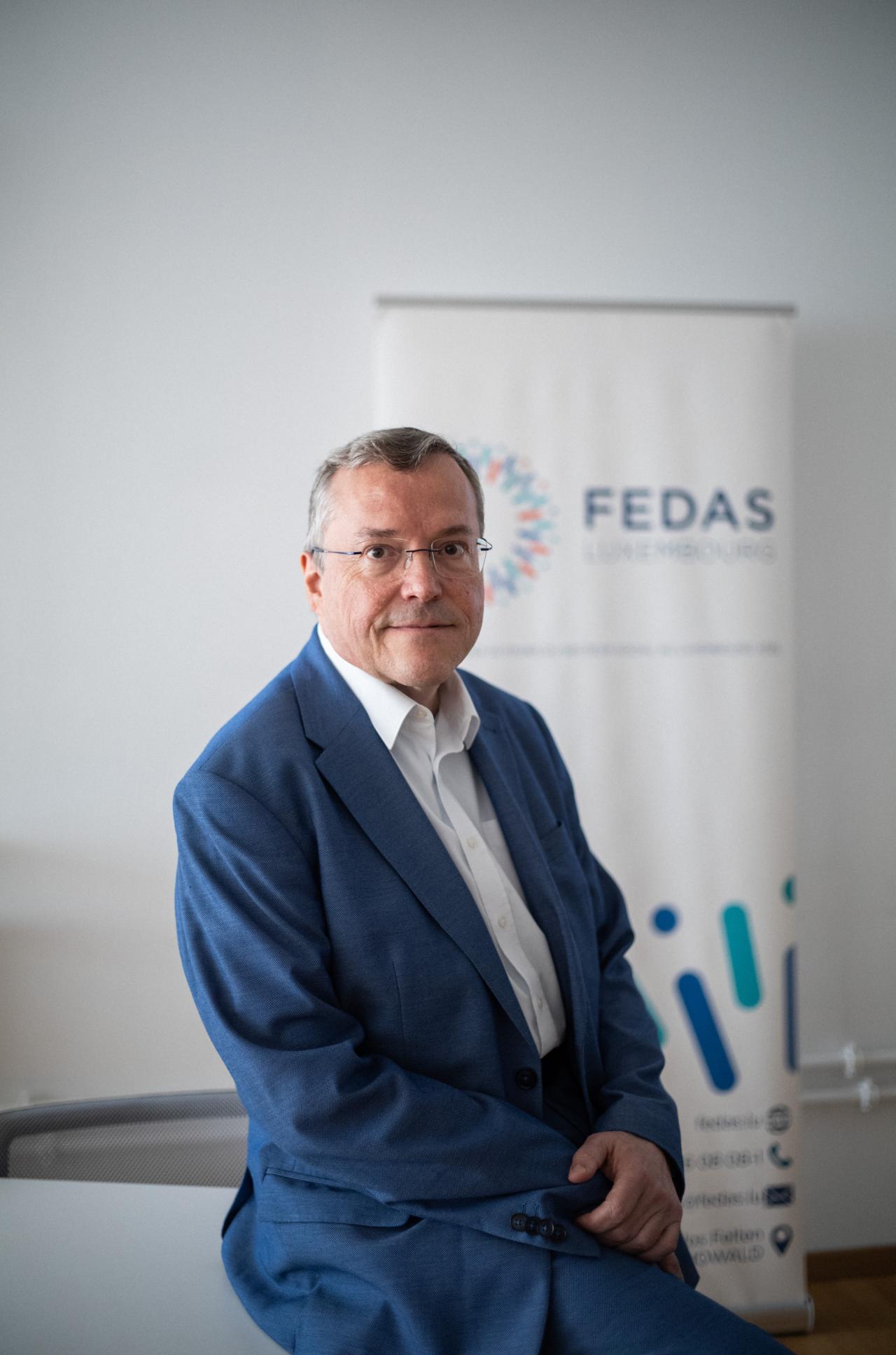
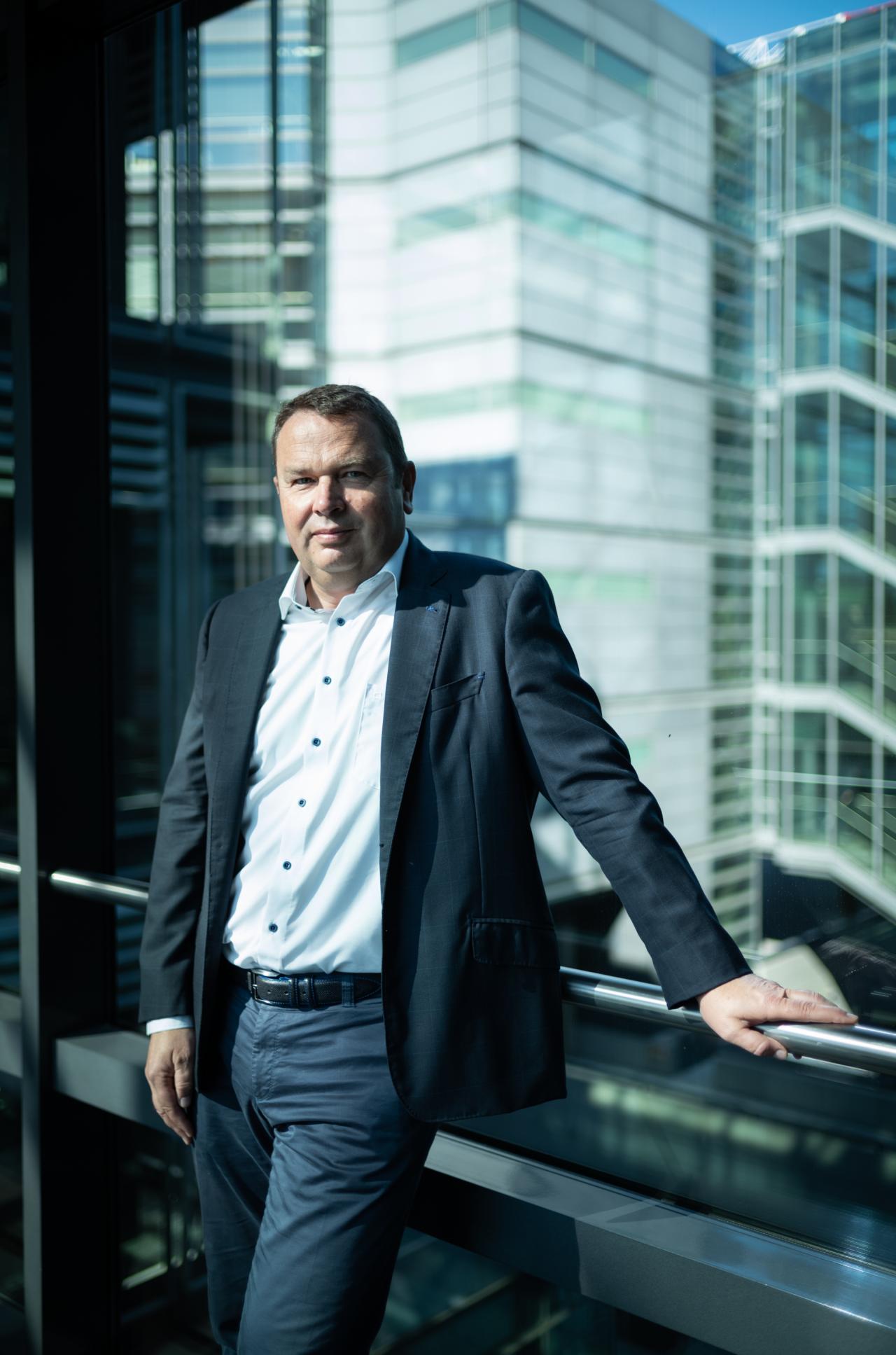
Andrew Ferrone is Director of European and International Affairs at the Ministry of the Environment, Climate and Biodiversity.
With a PhD in climatology, he contributes to international climate negotiations and the implementation of international climate finance, notably as Luxembourg’s contact person for the Intergovernmental Panel on Climate Change (IPCC) and the United Nations Framework Convention on Climate Change (UNFCCC).
Convinced that ambitious solutions to the challenges of our time rely both on a rigorous scientific basis and on the ability to build consensus, he is interested in the links between environmental issues, governance and societal impacts.
Luxembourg has adopted a national adaptation strategy. Underlying its many measures is a simple idea: to better protect residents from events that we once considered exceptional. Several initiatives are already underway, whether they involve tackling heat islands, water management or protecting vulnerable people. Resilience is not built overnight. It is built over time.
Science also offers reasons for hope. The University of Luxembourg, in collaboration with the government, is helping to improve our understanding of the links between climate, biodiversity, water, health and quality of life. This cooperation helps us to better anticipate the challenges ahead.
But we must not stop there. Adaptation is essential to protect our families and our regions. However, even the best-prepared society will reach its limits if global warming continues to accelerate. That is why adaptation and emissions reduction must go hand in hand.
Reducing pollution and emissions remains one of the most effective ways of limiting the risks that future generations will face. Every tenth of a degree avoided counts. Every source of pollution we eliminate improves our health, protects biodiversity and reduces the risks that future generations will face.
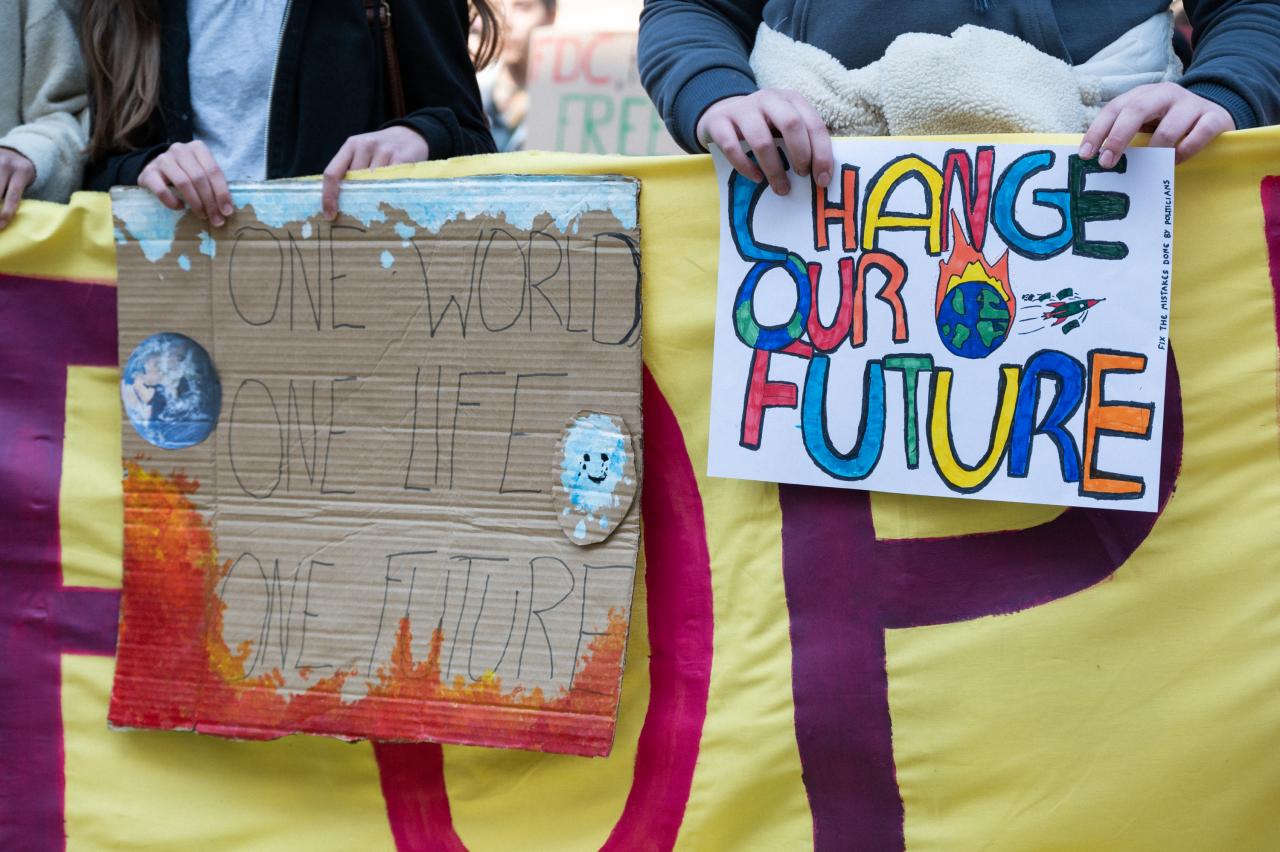
Ultimately, the climate issue is not just about the environment. It is profoundly human. What sort of country do we want to leave to our children? A country that protects the most vulnerable, preserves its landscapes and prepares for extreme events rather than simply enduring them.
By the time this opinion piece is published, Luxembourg may well be facing another heatwave. Or perhaps the weather will have given us a welcome respite. But the message of this summer will remain the same. We have much to protect, but also much to strengthen: a society capable of facing the challenges that lie ahead without losing what makes it so rich.
When I think back to the landscapes of my childhood in the south of France, I have many happy memories. But I would like the meadows of the Gutland, the forests of the Oesling and the rivers that flow through our country to retain their unique character for a long time to come. I would like future generations to still be able to recognise and love the landscapes that are familiar to us today, without taking for granted the barrenness that I once associated with other regions of Europe. That, too, is what resilience is all about: preparing for the future without giving up what defines our identity.
What do you think?
-
Once a month, we give a platform to a voice – someone who is an expert in a particular field, whether through their studies, their profession or their personal experience: experts on everyday life, a particular illness or a specific life situation – or simply someone with a clear opinion.
Do you have something to say? Then send us your idea for an opinion piece to journal@journal.lu.