When economic activity zones are bursting at the seams
By Christian Block Switch to German for original article
Listen to this article
The problem is not new. However, the lack of adequate attention it receives does little to improve the situation. This year, Christian Block has examined the shortage of space in industrial estates and its impact on craft businesses and the wider economy, while also searching for possible solutions. One interview in particular left a lasting impression on him.
This article is provided to you free of charge. If you want to support our team, subscribe now.
It is rather unusual for a 30-minute conversation to result in a stand-alone article by Journal standards. When I called Patrick Bichler at the end of July, it was intended to be nothing more (but also nothing less) than a short field report. One of three in order to understand the difficulties that craft businesses face when looking for land in industrial estates.
It soon became clear that the material could easily stand on its own as a question-and-answer interview. Tradespeople – and this is true of most self-employed people – are generally not shy about expressing their opinions. Some industry representatives, such as the current UEL president, have at times caused widespread irritation this year. In this case, however, that forthrightness had a clear advantage: direct yet nuanced answers. In short, exactly what journalists hope for in an interview.
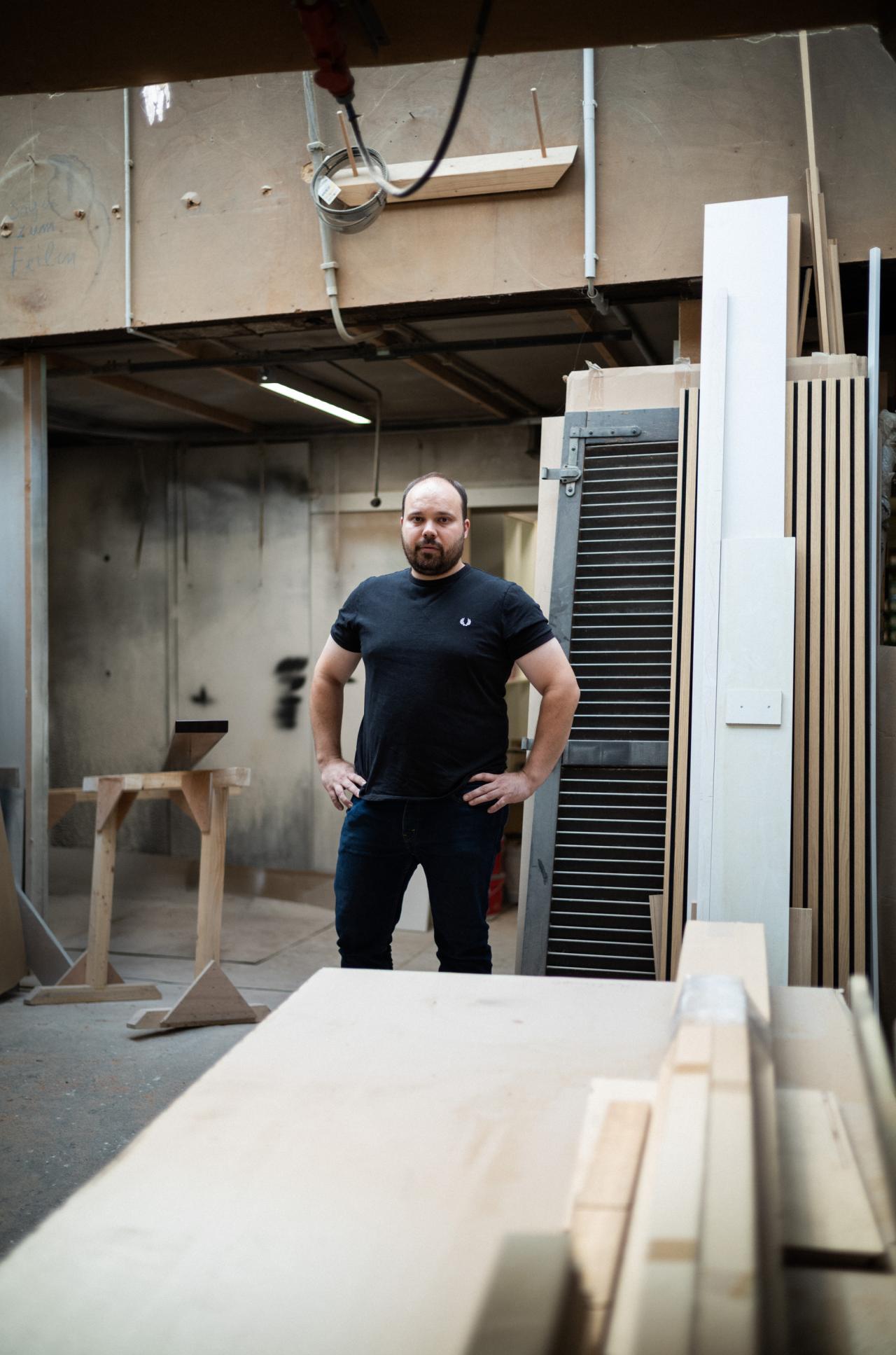

There are many similar cases to that of the carpentry business. When Patrick Bichler took over the company in 2017, he realised that its location in the middle of a residential area in Remich was not viable in the long term. His goal was to put the business on a sound footing and relocate within ten years. While he says he has achieved the former and the joinery now employs 14 people, the latter remains uncertain.
It is clear that Luxembourg – paralleling the acute housing shortage – failed to anticipate growth. Too little thought was given early on to rethinking "zones d’activités", which have so far been relatively inefficient in their use of space, or to questioning whether the pace at which new business parks are designated or expanded actually meets demand. This negligence is now coming back to haunt the country at a time of low growth.
"As with residential construction, Luxembourg has failed to anticipate growth when planning commercial areas."
The topic is not new. But it hardly gets any attention, even though the substance of Luxembourg's economy is at stake here. It is also further proof that the lack of space in the "industrial zones" is an ongoing problem. A structural one.
But something else emerged from the conversation with the entrepreneur: a gap between the actual appreciation of the skilled trades and the appreciation expressed by politicians. Does it form the backbone of the economy together with all other small and medium-sized enterprises (SMEs)? Certainly. But whether it is also perceived as a "driving force" is something that not only Patrick Bichler has considerable doubts about. Although the government has taken up the cause of supporting SMEs with subsidies for digitalisation processes and freeing them from excessive bureaucracy.
Statements like these remain relevant. At the briefing following the Government Council meeting on November 21, Prime Minister Luc Frieden (CSV) referred to newly adopted strategy papers on data and quantum technology, as well as to the issue of sustainable public finances. The craft sector, however, was only addressed indirectly – when Frieden mentioned measures such as the assumption of electricity grid costs or adjustments to business taxation as ways of tempering growth.
In any case, the interview in question also marked the starting point for a series of articles that went beyond merely describing the problem and instead sought possible solutions. These included, for example, an interview with Minister of Economic Affairs Lex Delles (DP), published in early September, as well as an article on the concept of "craftsmen’s yards" – the housing of several businesses under one roof. Such models not only create synergies but are also attractive to customers, as multiple services are offered in a single location.
Whether customers will still be able to afford the services of skilled tradespeople in the future is another growing concern within the sector. It is by no means the only one.