Wat mengs du? – Challenging a diagnosis shouldn't depend on your income
Switch to French for original article
Listen to this article
When a patient has doubts about a diagnosis or believes they have been the victim of medical negligence, obtaining an independent expert opinion often remains a major obstacle. In this opinion piece, Georges Clees, communications officer at Patiente Vertriedung, calls for a conciliation body capable of shedding light on the matter – without having to go to court straight away.
This carte blanche is available to you free of charge. If you’d like to read our editorial team’s articles and support quality journalism, subscribe now.
The relationship between a patient and their doctor is based on trust. When a person agrees to treatment or surgery, they place their trust in a professional's expertise, in the hope that the decisions made will meet their healthcare needs.
But what happens when that trust is shaken? When a patient questions the need for a procedure, disputes a diagnosis or feels they have suffered harm, getting answers can become a complex process.
Patiente Vertriedung asbl regularly supports people facing these difficulties. One question keeps coming up: how can a medical situation be objectively reviewed when the explanations provided are insufficient?
An imbalance in the face of medical complexity
A patient generally lacks both the medical knowledge and the resources needed to assess the validity of a diagnosis or treatment on their own. When a disagreement concerns a possible medical error or compliance with best practice, an independent expert opinion may prove essential.
Biography
-
Georges Clees is a Luxembourgish ethnologist by training, committed to social causes, community organisations and the defence of citizens’ rights.
He works as communications officer at Patiente Vertriedung asbl, where he helps raise public awareness of patients’ rights and of the challenges facing Luxembourg’s healthcare system.
He has also been involved in associational life for many years. He sits on the board of directors of the Association Luxembourgeoise des Intolérants au Gluten (ALIG), which provides information and advocates for the interests of people affected by gluten intolerance.
He is also a volunteer and committee member at Huskies Luxembourg, an ice hockey club that supports the athletic development of young people.
However, a complication does not automatically mean that a mistake has been made. Medicine involves risks, and an adverse outcome does not, in itself, prove that care was inadequate. This is precisely why the facts must be examined by qualified and independent experts.
However, accessing such an expert opinion is often a major hurdle. How does one find an independent expert? Who covers the costs? How can the objectivity of their conclusions be guaranteed?
Access to an independent medical assessment should not depend on the patient's financial means or perseverance.
Mediation is not a substitute for expert assessment
Luxembourg has a National Health Information and Mediation Service, which plays a useful role in fostering dialogue and seeking amicable solutions.
However, facilitating communication and objectively establishing the medical facts are two distinct tasks. When a dispute concerns the necessity of a procedure, whether a treatment complies with best practice, or the causes of harm, dialogue cannot replace an independent technical analysis.
It is therefore not a question of calling existing structures into question, but of supplementing them with a mechanism designed to address situations requiring genuine medical expertise.
Independent, binding expertise recognised by the courts
Patiente Vertriedung asbl believes that Luxembourg should establish an independent medical conciliation body, enabling patients to access expert assessment where a serious dispute warrants it.
This body should have a legal framework enabling it to commission independent medical expert reports, the conclusions of which would be binding in the conciliation proceedings.
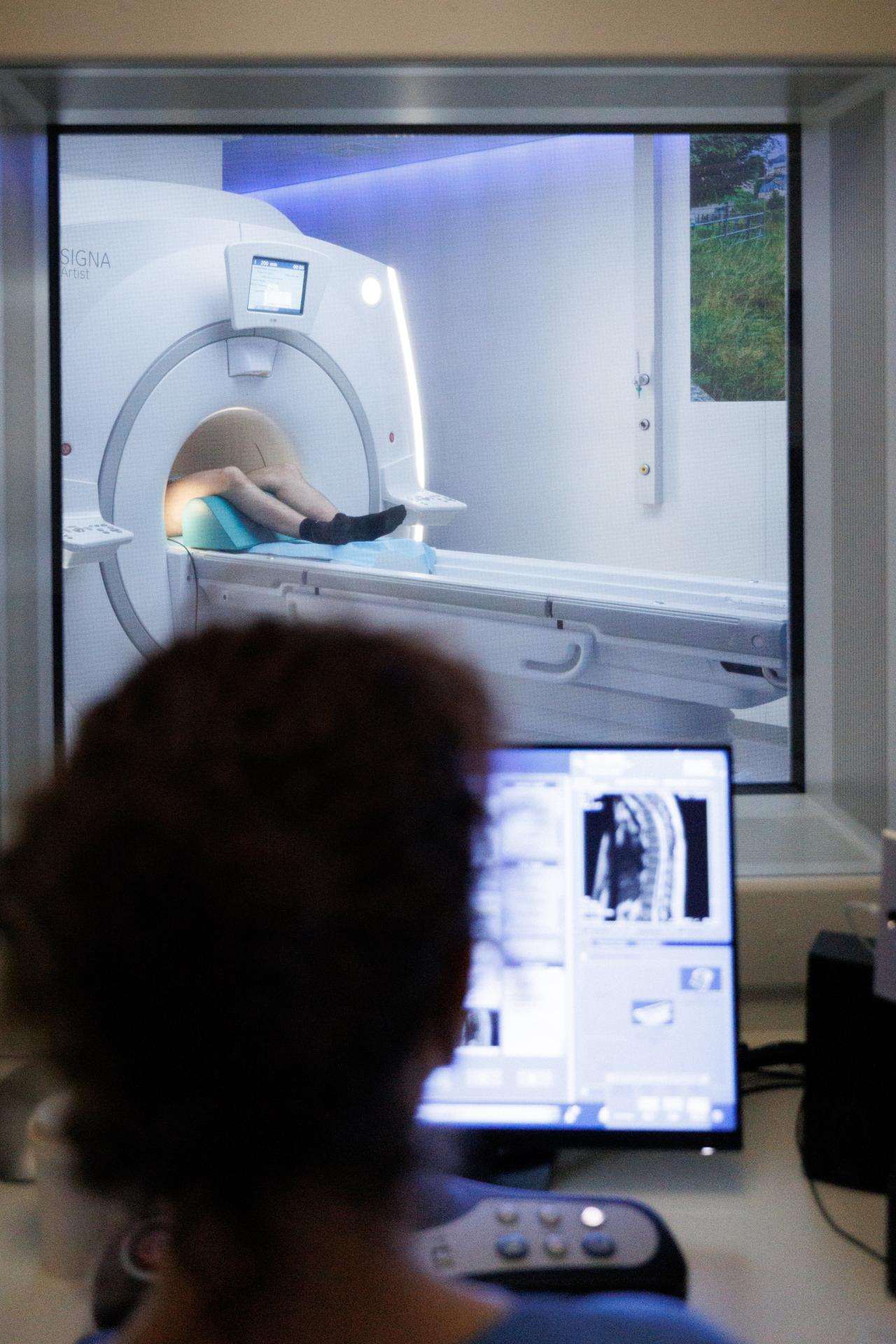
The expert assessment should determine whether the care provided was in line with medical knowledge and best practice, identify any shortcomings and assess their consequences.
Experts should be appointed through a transparent procedure, ensuring their independence, access to relevant material in the case file and respect for the right to be heard. No party should be able to arbitrarily dismiss findings simply because they are unfavourable to them.
Recognition of this expert report by the courts is an essential element.
If conciliation fails, the patient should not have to repeat the process or systematically pay for a new expert assessment.
The law should therefore provide that the expert assessment carried out as part of the conciliation process is recognised by the courts as the authoritative medical assessment in the event of any subsequent legal proceedings.
Its findings should not be disregarded without serious grounds. A new expert assessment should only be considered in the event of decisive new evidence, a substantial error or well-founded doubts as to the expert's independence, whilst respecting fundamental judicial safeguards.
On this basis, the body could also assess the damage and propose reasoned compensation to the parties and insurers concerned, within a legal framework that distinguishes the medical analysis from the final legal decision.
Such a mechanism would offer patients an accessible route to obtaining answers and seeking an amicable solution, without having to immediately embark on lengthy, costly and stressful legal proceedings.
"Trust in our healthcare system cannot be based on silence when questions arise."
Georges Clees, Communications Officer at Patiente Vertriedung
However, mediation cannot replace the justice system where an offence may have been committed, nor can it be used to delay an investigation or to shield professionals from their responsibilities.
It is time to take action to establish genuine medical conciliation
Trust in our healthcare system cannot be based on silence when questions arise. It is built on transparency, accountability and the possibility of having disputed situations examined objectively.
Patiente Vertriedung asbl calls on political leaders and the relevant authorities to launch a substantive debate on the creation of an independent medical mediation body, complementary to existing structures, with the power to commission binding expert reports and to ensure their legal recognition.
A trustworthy healthcare system is not measured solely by the quality of care when everything goes well, but also by its ability to listen to, support and protect patients when difficulties arise.
It is time to give medical mediation the place it deserves in Luxembourg. Not at the expense of healthcare professionals, but for the benefit of patients, the quality of care and trust in our healthcare system.