Energy sharing rethinks power
Sponsored content Switch to German for original article
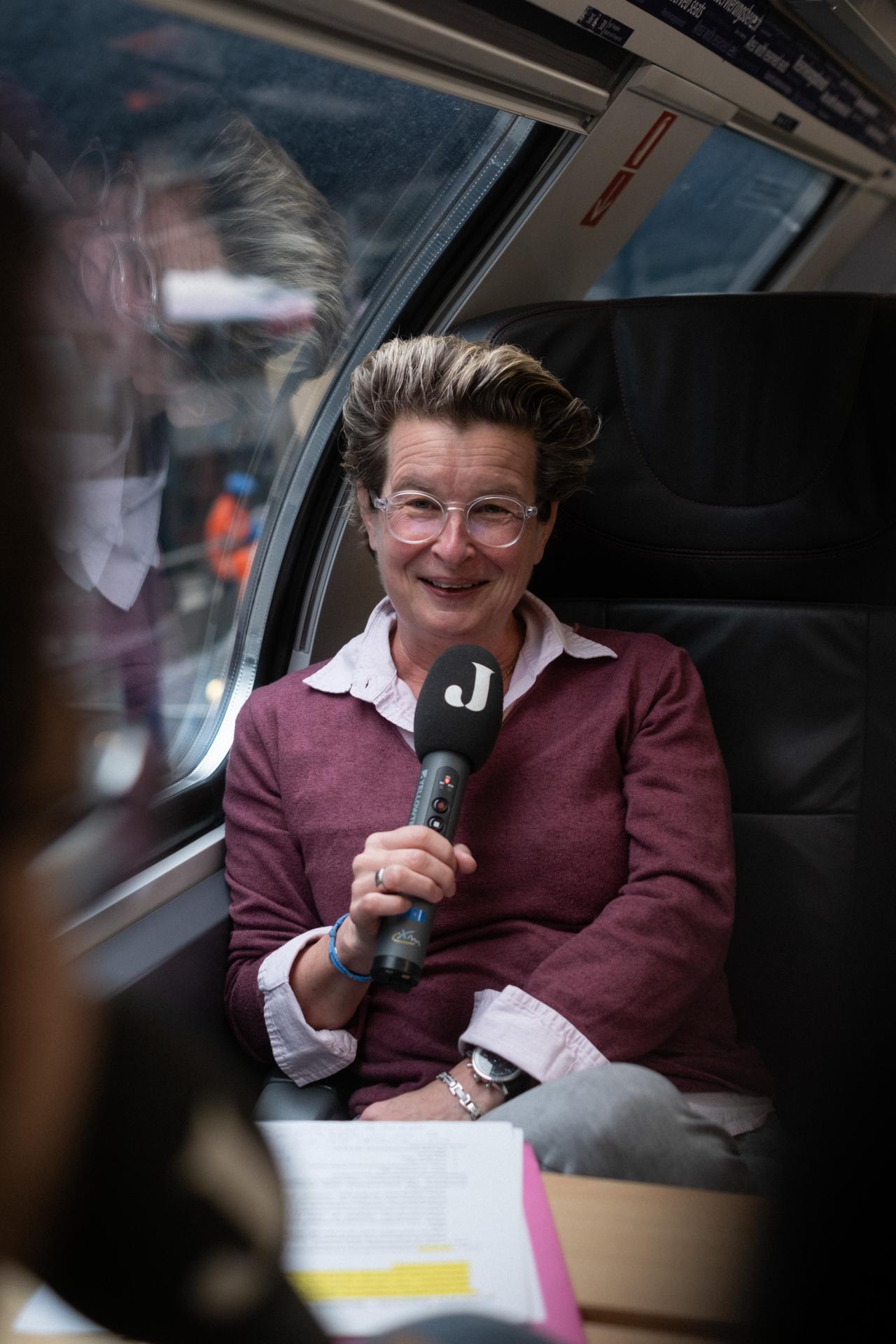
In the sustainability podcast "Gréng op den Oueren" with Enovos, we shed light on energy from all perspectives and talk to people who know all about it - experts as well as convinced users. The latest episode is about sharing electricity via energy communities, among other things, and is now also available as an article.
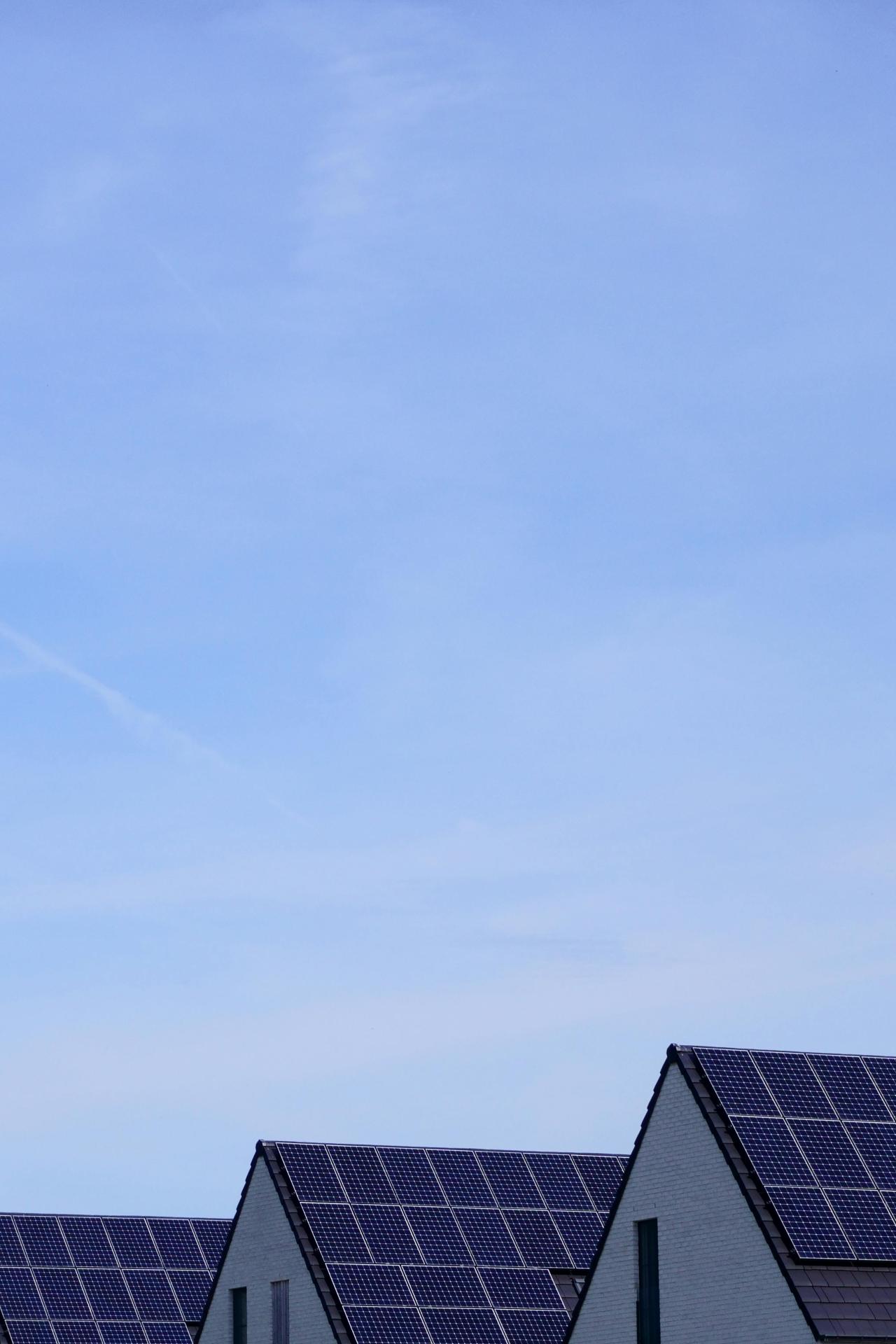
Imagine the following situation: You come home after a sunny day and your solar panels on the roof have produced much more electricity than you need. Instead of feeding the surplus electricity back into the grid, you could share it with the family down the street who are preparing their dinner or with the neighbour who wants to charge their electric car.
Photovoltaic systems have long been a visible part of the energy transition. In many villages and towns, you can see countless houses with PV systems on their roofs. However, the next step in the transition is the shared use of energy. In other words, sharing electricity with houses in the neighbourhood or even further away.
But how does it work? Who is allowed to take part? What rules apply? Why is sharing electricity more worthwhile than feeding it into the grid? And to what extent does Enovos support you in realising this? These questions are answered in the latest episode by Gilbert Théato and Fenn Faber from Klima-Agence and Tatiana Berseneva from Enovos.
What does electricity sharing mean?
Suppose someone produces more electricity than they use themselves, for example, via a PV system on their own roof. In that case, they can share this surplus directly with others, explains Théato: "Electricity sharing is about sharing the photovoltaic electricity you produce yourself that you no longer need with others." These could be neighbours, a small shop around the corner or the local café. The participants organise themselves into so-called energy communities, for example.
"This transition only really works if people really get involved."
Fenn Faber, Director of Klima-Agence
In contrast to traditional electricity sales via the grid, the electricity remains in the region. This has advantages for both sides: lower costs, reduced strain on the grid, and greater control over your own energy.
Why all this?
Energy communities are part of the energy transition – in other words, the major change in how we generate, distribute, and consume electricity. It's about thinking about energy in a more decentralised, renewable, and local way. Sharing makes sense, especially in places where not everyone can operate a solar system themselves, explains Fenn Faber, Director of Klima-Agence: "This transition is not just technical, where you bring in additional technological advances. It actually only works if people really get involved." And this is exactly where energy communities come in.
Who can join in?
In short, anyone who consumes or produces electricity. Whether a detached house, apartment block, municipality, small business, or small and medium-sized enterprise.

"It is also an opportunity for households without a PV system or with a small system to access renewable, locally produced electricity, and perhaps at a more attractive price, " explains Gilbert Théato.
Two types of communities
Depending on the technical structure, there are currently two models in Luxembourg: the Communauté Énergétique Locale (CEL) and the Communauté Énergétique Renouvelable (CER). In the first community, the partners in the subgroup that are furthest apart should not be more than 300 metres apart, as this eliminates the grid costs. There is no limit to the number of participants, and the electricity is transmitted at a low level. With the Communauté Énergétique Renouvelable (CER), the entire process also works over greater distances – but this means that the usual grid costs are incurred, and the process is also possible at the medium-voltage level.
Is it also financially worthwhile?
Yes – often even more than you might think. Anyone who feeds surplus electricity into the general grid currently receives around 4 cents per kWh. However, consumers pay an average of 24 cents per kWh. An individual price can be agreed upon within a community, for example, 15 cents, so consumers save and producers earn more.
"We used to be a simple electricity supplier. Today, we are an enabler for decentralised, local energy."
Tatjana Berseneva, Enovos
Théato adds: "The whole thing only works in a community setting. Where producers produce electricity at a certain time, you also need consumers who need electricity at the same time. So that always remains a negotiating factor."
And how do you set up a community?
There are two options: Either you join an existing community or you set one up yourself. To set up a new community, you need a legal form, including articles of association. This also incurs initial costs for a notary. Support is available from Klima-Agence, for example, which provides ready-made and tested articles of association on its website. At WeShareEnergy.lu you can find further information on electricity sharing, and LENEDA provides the individual energy balances: who has supplied how much to the community and who has received how much from the community – the basis for billing at the end of the year.

Billing within the group can be handled entirely by Enovos – correctly, technically clean, and comprehensible for everyone. Although this is not mandatory, it is a practical solution for many. For Tatiana Berseneva from Enovos, this is a big step in the right direction: "We used to be a simple electricity supplier. Today, we are facilitators of decentralised, local energy." Enovos does not see Energy sharing as competition, but sees this change as an opportunity to rethink the energy supply – more decentralised, more digital, more communal.
As of the end of October 2025, there are already 68 energy communities in Luxembourg. Many of them were set up by citizens themselves. Municipalities and companies are also becoming increasingly involved, as they often have large areas available for PV systems.
If you want to find out more, listen to the new episode of Gréng op den Oueren by Enovos.