Wat mengs du ? – Entrepreneurship celebrated, the self-employed forgotten
By Misch Pautsch Switch to French for original article
Listen to this article
The economy needs businesses to thrive and provide jobs. However, political rhetoric in support of entrepreneurs has yet to materialise into the long-announced reform of the status of the self-employed. This is what Alexa Ballmann, vice-president of the Fédération des Artisans, highlights in this opinion piece.
This carte blanche is available to you free of charge. If you'd like to read our editorial team's articles and support quality journalism, subscribe now.
Luxembourg wants more entrepreneurial spirit: more start-ups, more initiatives, more people willing to take on responsibility. But those who actually take the plunge soon realise that political praise for entrepreneurship goes much further than the protection given to the self-employed.
As vice-president of the Fédération des Artisans, I regularly meet men and women who live for their businesses. They invest their own money, hire staff and stand accountable for their decisions. When things get tough, their first thought is how to pay wages and bills – and only then do they consider whether anyone can help them. This is part of entrepreneurial responsibility. But responsibility must not mean second-rate protection.
The pandemic should have marked a turning point. It showed that many support schemes were designed primarily for employees and that the government had to cobble together emergency aid for the self-employed who were lucky enough to be eligible. At the time, everyone promised to learn from the experience. Six years on, the self-employed are still waiting.
"If we want businesses to be set up, taken over, and developed, we must offer a reliable legal framework to the people who run them."
Yet the coalition agreement provides for equal treatment between salaried and self-employed workers, as well as a reform of the status of the self-employed. The shortcomings are well-known. A self-employed person forced to cease their business may be eligible for unemployment benefits, but only subject to several conditions, including at least two years' of social security affiliation in Luxembourg. In the event of force majeure, severe weather or an involuntary technical incident, short-time working schemes can compensate employees' lost wages. However, the income of the self-employed person, who is nevertheless keeping the business afloat, falls outside the scope of these schemes.
Another inequality arises in relation to social security contributions. For an employee, the cost is split: one part is paid by the employee, the other by the employer. The self-employed person, on the other hand, pays both their personal and business-related portions of the contribution. They therefore bear personally a financial burden which, for an employee, is partly covered by the employer.


About the author
-
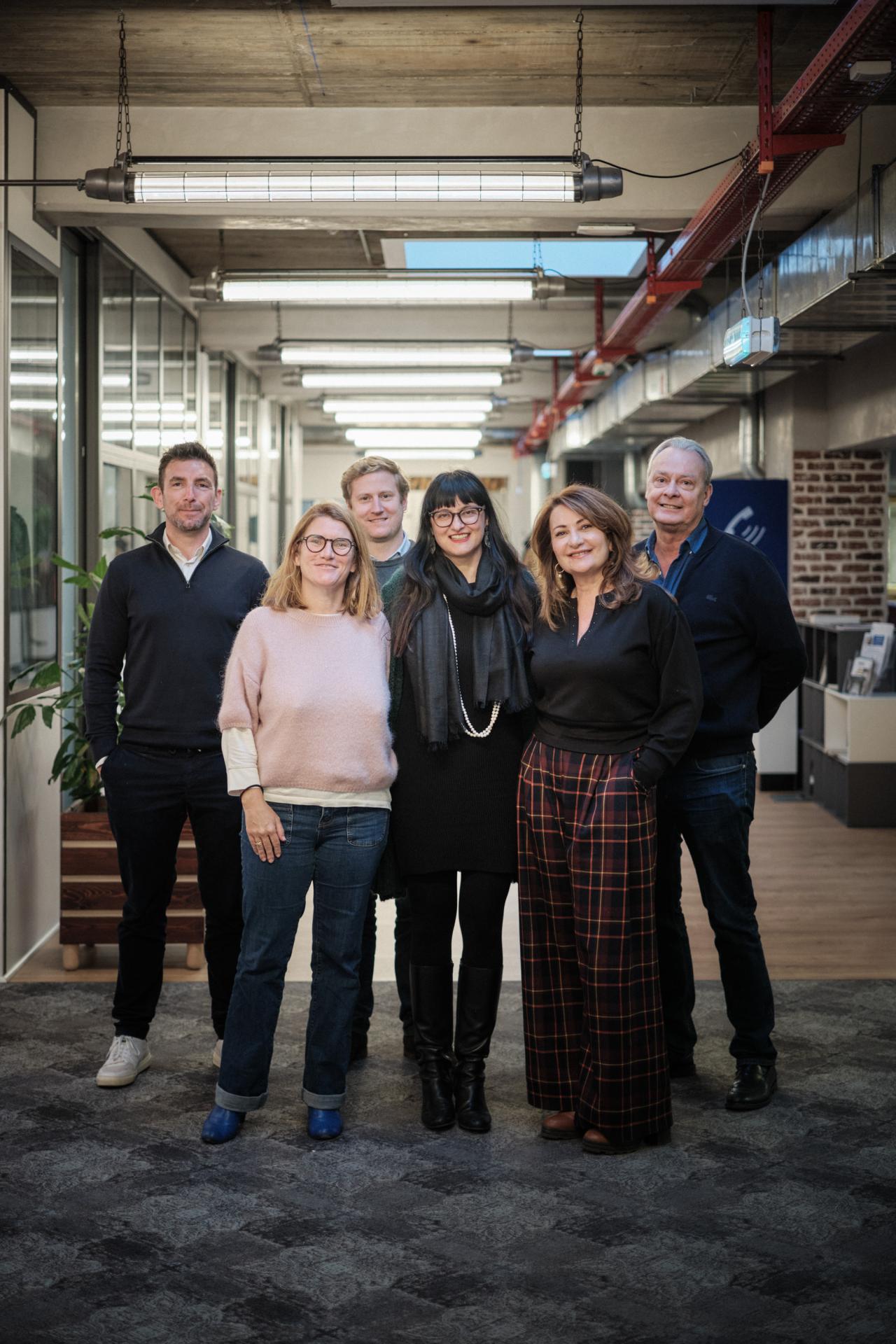
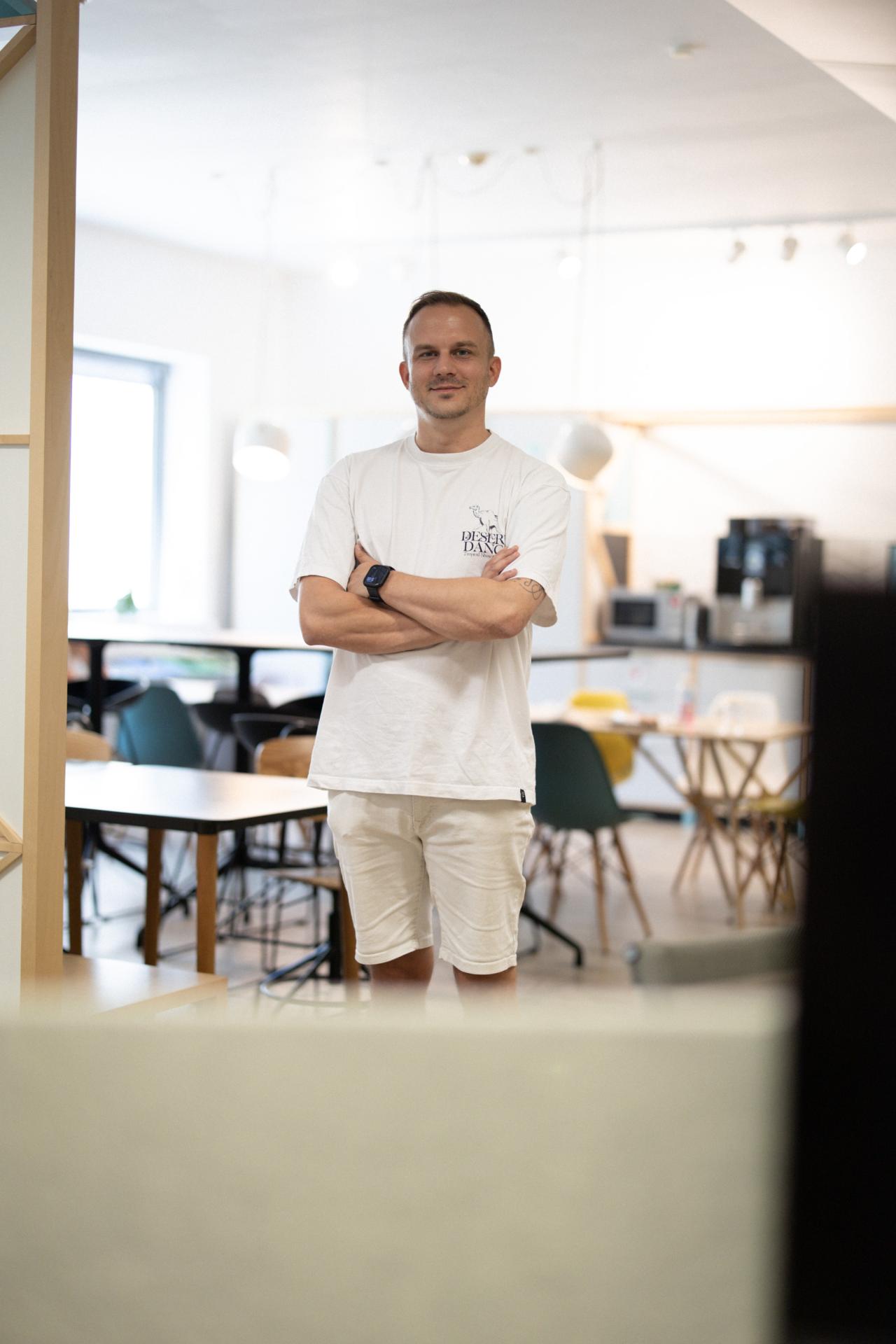
Alexa Ballmann is an independent entrepreneur who runs two beauty salons in Oetrange and Keispelt. She has chaired the Federation of Qualified Beauticians and Pedicurists, as well as Jonk Handwierk. She has also headed the Hair Beauty and Tattoo Guild Confederation. Vice-President of the Federation of Artisans since 2022, she sits on the committee of the Chambre des Métiers as well as on the boards of the Fédération des jeunes dirigeants, the CNAP, the CNS and Luxinnovation.
The Fédération des Artisans is calling for this situation to be recognised for tax purposes as well. The portion corresponding to the employee's contribution must remain deductible for the self-employed person. The portion corresponding to the employer's contribution must be treated as a business expense. This is neither a privilege nor a double deduction. It is a matter of applying a consistent logic to two different forms of work.
We must also modernise the status of assisting spouses and protect self-employed people against disruptions to their work they neither caused nor could have avoided. We do not want to turn the self-employed into employees. Choosing self-employment means opting for a different relationship with work and risk. But different does not mean inferior.
What bothers me is this contradiction: in speeches, we celebrate the entrepreneurial spirit. Yet when difficulties arise, we treat entrepreneurs as a marginalised group within our social model. This is not the way to inspire people to become entrepreneurs. If we want businesses to be set up, taken over and developed, we must offer a secure status to the people who run them. The self-employed do not need another declaration in support of entrepreneurship. The self-employed need the promised reform.
Wat mengs du?
-
Once a month, we give a platform to a voice – someone who is an expert in a particular field, whether through their studies, their profession or their personal experience: experts on everyday life, on an illness, on a specific life situation – or simply someone with a clear opinion.
Do you have something to say? Then send us your idea for an opinion piece to journal@journal.lu.