"[As a teacher] I can no longer give every child the attention they deserve"
By Christian Block, Lex Kleren, Tom Herz Switch to German for original article
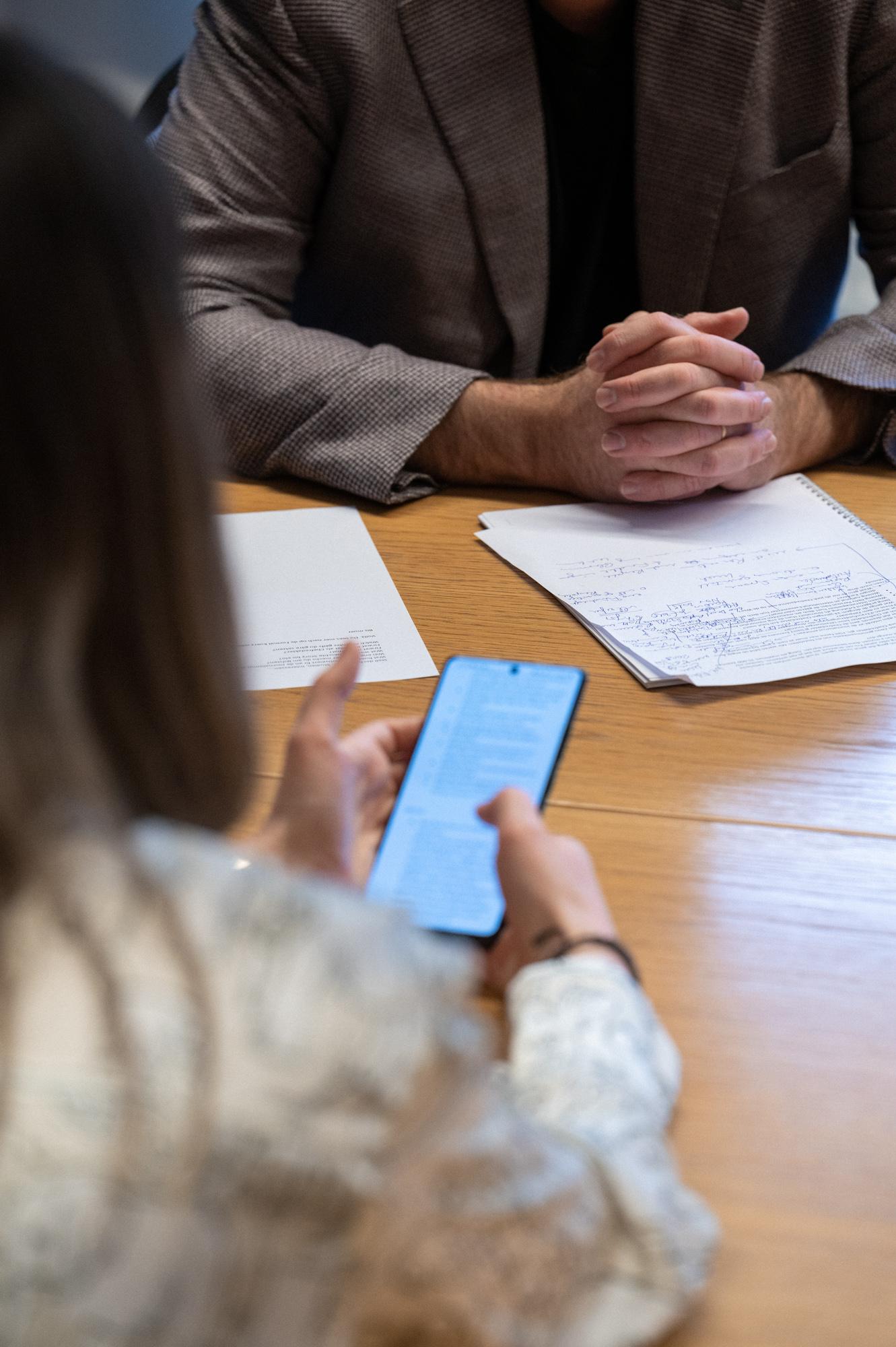
Very little knowledge of Luxembourgish, delays in motor development, children with special educational needs: Isabelle Calmes has to cope with all of this at once – on her own. Whilst at Précoce teachers and educators work as a team, this is only due to be tested in preschool in 2027 as part of a pilot project. For many, that is too late.
Preschool teacher Isabelle Calmes rings a little bell. The four- to five-year-olds in Cycle 1 tidy away their things and sit down on their little chairs to form the "morning circle". The little ones are already very familiar with this ritual on this Monday, shortly after 8.00 am. They chat about what they got up to at the weekend. One girl tells the group she played with slime with a friend. One boy didn't sleep very well, but still had a nice weekend.
This exchange is a social exercise – listening, waiting until it's your turn. But it is precisely the younger children, who perhaps only speak Portuguese, Farsi, Albanian or Malayalam (spoken in India) at home, who sometimes still have to think a little about how to put their visit to the playground or eating an ice cream into a simple Luxembourgish sentence.
You want more? Get access now.
-
One-year subscription€185.00/year
-
Monthly subscription€18.50/month
-
Zukunftsabo for subscribers under the age of 26€120.00/year
Already have an account?
Log in