So you passed the "Sproochentest" – but who to talk to?
By Misch Pautsch, Maxime Toussaint Switch to German for original article
For many people, speaking Luxembourgish is, and remains, the dividing line between being present and truly belonging. Fully booked language courses show that more and more people want to belong. But there can be a world of difference between 'learning to speak' and 'speaking', as three learners explain – and it is rarely down to a lack of goodwill.
"I think it's important to say 'Moien'." Vinciane has lived in the Grand Duchy since 1990, holds dual Luxembourgish-Belgian nationality and speaks Luxembourgish. Occasionally. She always greets people in Luxembourgish. Not only because it often elicits positive reactions, but also to signal that she can do it. Nevertheless, the rest of her conversations usually take place in French, both privately and professionally. "I'd say in nine or ten out of ten cases, people switch straight to French as soon as they realise that Luxembourgish isn't my first language, " says the architect.
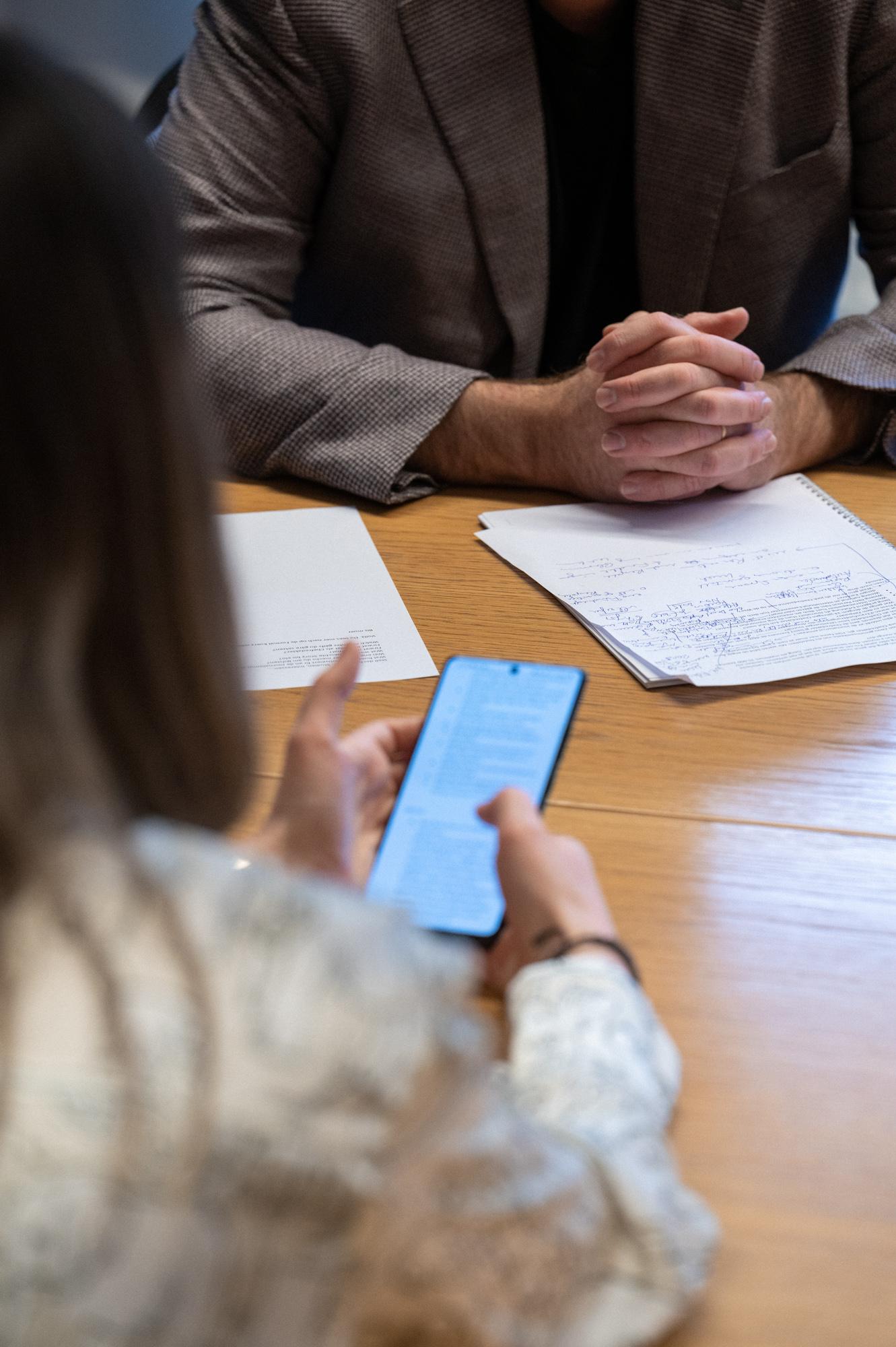
In this respect, she is one of many people navigating the labyrinth of languages in Luxembourg. When, how often and in what context which language is spoken – and, in particular, to whom one 'adapts' – is not always straightforward. Anyone who wants not only to learn the national language but also to use it in everyday life often finds themselves in a dilemma: on the one hand, there is the expectation to "just speak" the language. On the other is the well-meaning reflex of many native Luxembourgish speakers to quickly switch to the language of the person they are speaking to.
You want more? Get access now.
-
One-year subscription€185.00/year
-
Monthly subscription€18.50/month
-
Zukunftsabo for subscribers under the age of 26€120.00/year
Already have an account?
Log in