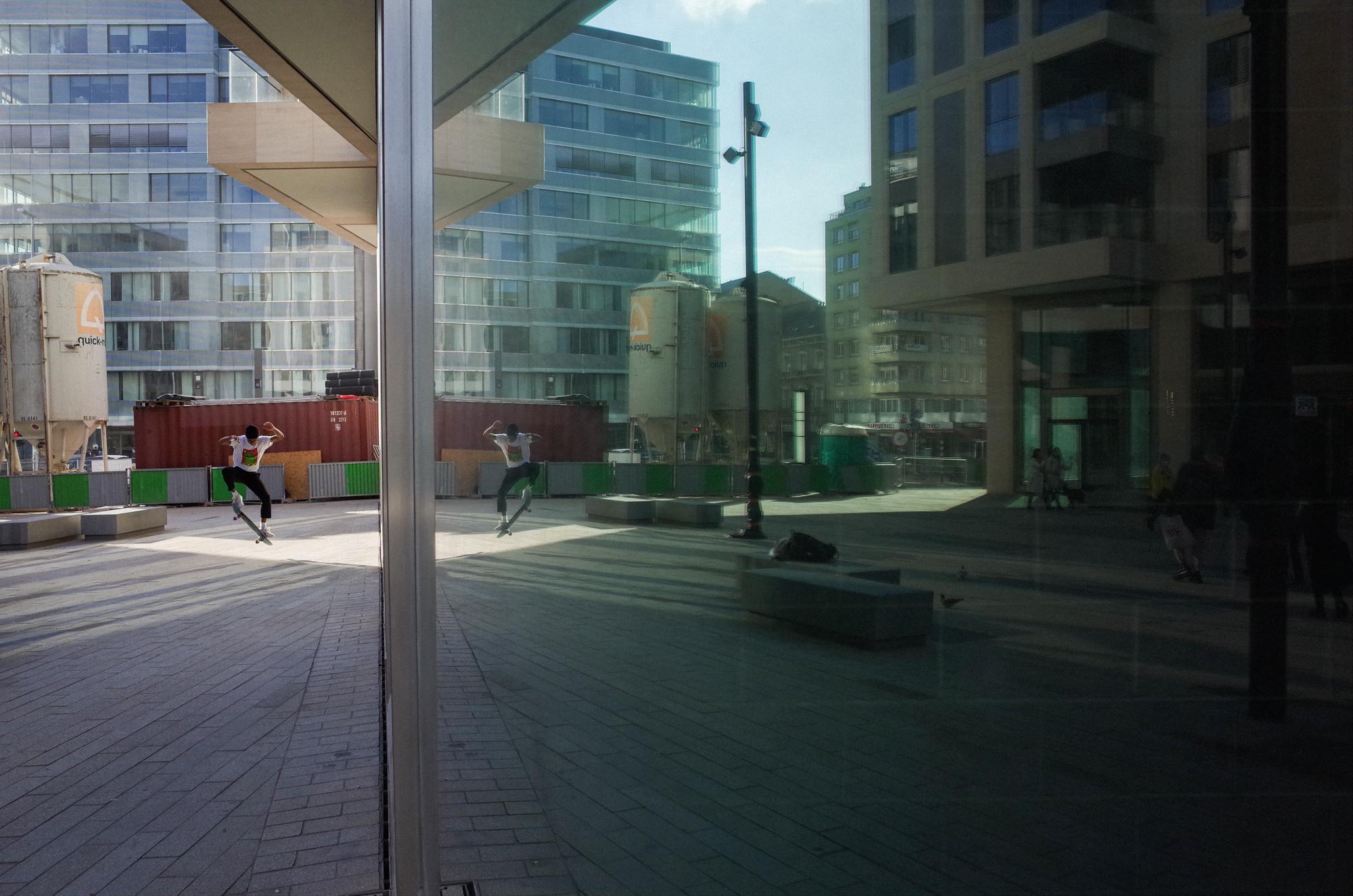
More and more children are unable to do a somersault – and here's what school sport is doing about it
By Misch Pautsch Switch to German for original article
Most people associate school sport in secondary education either with a welcome break from sitting at their desks or with the humiliating ritual of being picked last for team sports. Yet whilst children and young people are becoming increasingly overweight and only one in four children gets enough exercise, those few hours of physical activity are playing an increasingly important role far beyond the school environment.
"More and more children are unable to do a somersault." Tamara Schuh is a PE teacher and a member of the Association of PE Teachers (Apep). Together with Yves Bley, also a PE teacher, they are campaigning for the importance of physical activity in schools to be recognised.
And this, it seems, is becoming increasingly important, as Schuh and Bley have observed over the course of their careers: "We've noticed that things which the majority of the class could manage 20 years ago sometimes no longer work today. Partly because they're actually afraid to give it a go, " says Tamara. According to Bley, this is an observation that cuts across all classes and age groups.
A lack of physical activity: a risk for three out of four children
There have always been children who were more or less fit, but: "We can clearly see in everyday life that the average level is slipping." Whereas it used to be perfectly possible to take a secondary school class mountain biking in the woods without much preparation, today you regularly have to make provision for balance bikes because many children are sitting on a bike for the first time at the age of 15.
This is more than just a perception: the study "Physical Activity of Children and Young People in Luxembourg", published as part of the 2021 Education Report, used activity trackers to find that only one in four children aged between 10 and 20 gets enough exercise – that is, at least one hour a day. Even the 150 minutes per week recommended by the WHO for adults is not always achieved. At the same time, most of them believe they are much more active than they actually are. The report's conclusion is clear: "Most children and young people do not get enough exercise to remain healthy and fit in the long term." According to the 2019 "Health Behaviour in School-Aged Children" study, one in five children aged between 11 and 18 was either overweight or obese – and the trend is rising.
You want more? Get access now.
-
One-year subscription€185.00/year
-
Monthly subscription€18.50/month
-
Zukunftsabo for subscribers under the age of 26€120.00/year
Already have an account?
Log in