Money laundering via Snapchat - The dark economy of money mules
By Misch Pautsch, Lex Kleren Switch to German for original article
Who would think of simply handing over their credit card to a stranger? Apparently a surprising number of people. Because the number of so-called money mules - people who knowingly or not help with money laundering - continues to rise. Complicated technical methods are now outdated: Money laundering is becoming analogue again.
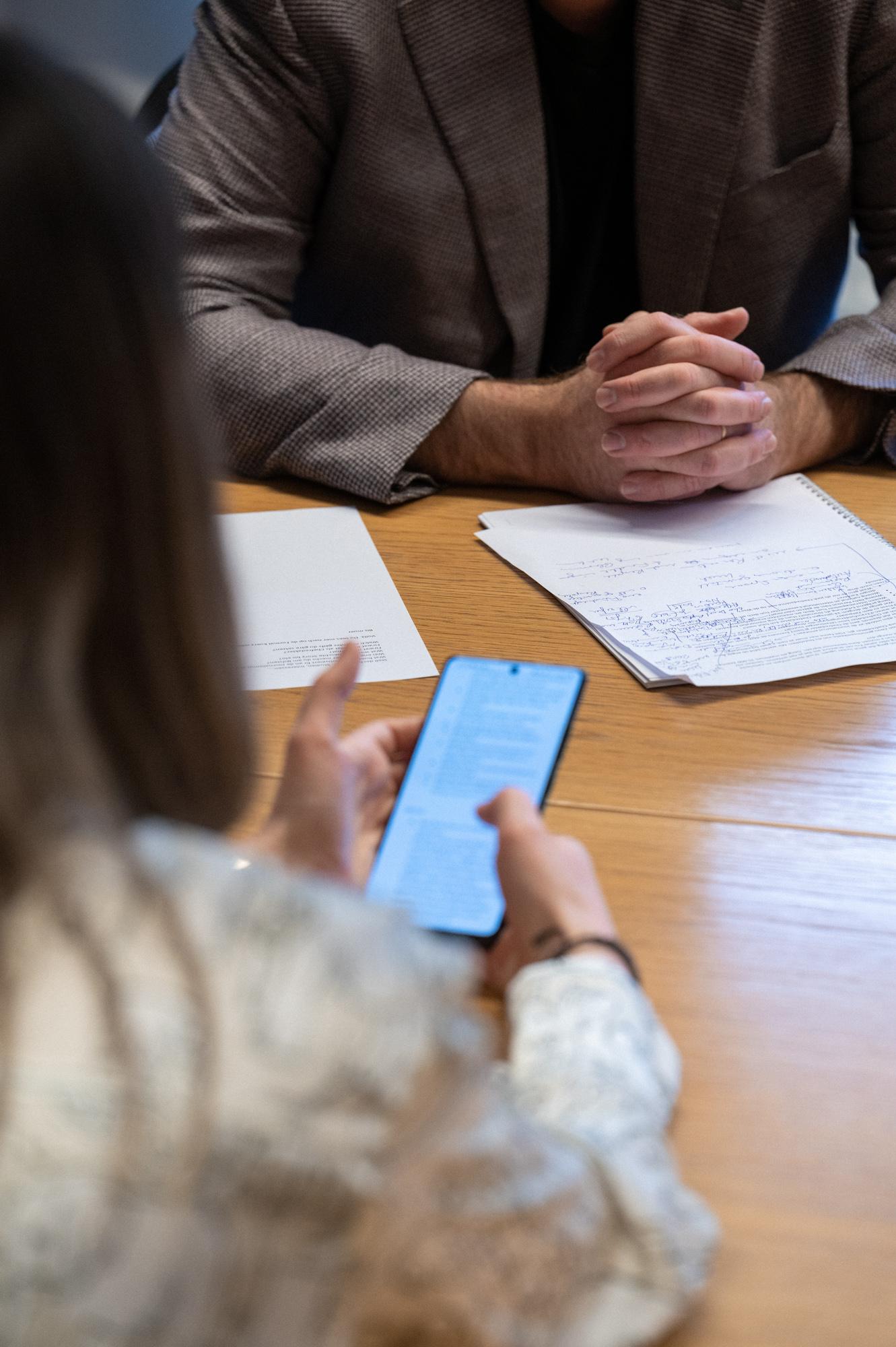
The doorbell rings. A friend of a friend is at the door. You saw him a few days ago in a story on Snapchat in which he held a bundle of fifties up to the camera. "Easy money" was written next to it. You hand him your credit card and a piece of paper with your PIN. There's not much money in the account, what have you got to lose? You should get it back the day after tomorrow – along with a good chunk of cash. Two days later, you're actually holding the card in your hands again, 200 euros richer – and you're also facing up to five years in prison for money laundering.
What sounds like a story that would make most of us stand on end is an increasingly common reality for the police's money laundering department. Gone are the days when money laundering required the creation of complex fictitious constructs. After all, it is much simpler to simply ask someone to play money mule for a small fee. "Recruitment via social media is the main method at the moment, " says Jan (surname anonymised for investigative reasons, ed.), a police investigator and head of phishing investigations.
You want more? Get access now.
-
One-year subscription€185.00/year
-
Monthly subscription€18.50/month
-
Zukunftsabo for subscribers under the age of 26€120.00/year
Already have an account?
Log in